Navigating the Labyrinth: Advanced Labor Rights Risk Assessment in Tiered Supply Chains
THIS BLOG WAS WRITTEN BY THE COMPLIANCE & RISKS MARKETING TEAM TO INFORM AND ENGAGE. HOWEVER, COMPLEX REGULATORY QUESTIONS REQUIRE SPECIALIST KNOWLEDGE. TO GET ACCURATE, EXPERT ANSWERS, PLEASE CLICK “ASK AN EXPERT.”
You know the feeling. The global supply chain, once a testament to interconnected efficiency, now often feels more like a sprawling, shadowy labyrinth. And somewhere within those tangled pathways, unseen but impactful, lie critical labor rights risks—forced labor, child labor, inhumane working conditions, wage violations. These aren’t just abstract concepts. They represent real human suffering, and for your business, they pose monumental threats to reputation, legal standing, and financial stability.
Honestly, the stakes have never been higher. With regulations including the Uyghur Forced Labor Prevention Act (UFLPA), Corporate Sustainability Due Diligence Directive (CSDDD), and German Supply Chain Act (LkSG), simply hoping for the best or relying on surface-level audits just won’t cut it anymore. We’re talking about a world where 27.6 million people are in forced labor globally, with 137.6 million children trapped in child labor (UNICEF). These aren’t just numbers; they’re a stark reminder that the invisible parts of your supply chain could be harboring devastating realities.
Think about it: every product you sell, every component you source, has a story. And for companies operating in complex, multi-tier supply chains, ensuring that story is ethical, compliant, and free from exploitation is no longer just a “nice-to-have.” It’s an urgent imperative, a fundamental aspect of doing business responsibly, and increasingly, legally. But how do you shine a light into the deepest, most opaque corners of those tiers? How do you move beyond mere compliance to genuine, proactive risk mitigation?
That’s exactly what we’re going to explore. This isn’t just another article on basic due diligence. We’re diving deep into the advanced methodologies, the cutting-edge technologies, and the strategic approaches you need to truly identify, assess, and mitigate labor-related risks across your entire value chain. Because your customers, investors, and regulators demand it. And, frankly, because it’s the right thing to do.
Table of Contents
- AI governaWhy “Tiered” Supply Chains Demand a Deeper Dive
- The Shifting Sands of Global Labor Regulations
- Foundational Methodologies for Multi-Tier Risk Assessment: Beyond Surface-Level Scans
- Turbocharging Visibility: Leveraging Advanced Technology for Deeper Tiers
- Sector-Specific Risks & Tailored Solutions
- Building an Enduring, Ethical Supply Chain Program
- The Road Ahead: Trends and Future Challenges
- Key Takeaways
- Frequently Asked Questions (FAQ)
- Conclusion: From Compliance Burden to Competitive Edge
- Stat Sources
Why “Tiered” Supply Chains Demand a Deeper Dive
Let’s clarify what we mean by a “tiered” supply chain. It’s not just your direct suppliers (Tier 1). It’s their suppliers (Tier 2), and their suppliers’ suppliers (Tier 3), and so on, all the way back to the raw materials. This intricate web is where the real complexity, and often the highest risks, reside.
The issue is that visibility diminishes rapidly beyond Tier 1. You might have excellent relationships and robust contracts with your immediate partners, but their upstream suppliers? That’s where things get murky. And it’s precisely in these hidden tiers that forced labor, child labor, and other severe human rights abuses are most likely to fester, shielded by layers of intermediaries and geographical distance.
The consequences of failing to address these deep-tier risks are severe. Beyond the moral imperative, there’s the very real threat of regulatory enforcement, massive fines, market access restrictions, and devastating reputational damage. Remember, only 14% of global brands disclosed forced labor incidents in their supply chains from 2016-2024 (Walk Free Foundation). That’s a staggering lack of transparency, creating a significant target for public scrutiny and regulatory action. Your brand’s integrity, and frankly, its future, depend on understanding and addressing these hidden realities.
The Shifting Sands of Global Labor Regulations
The days of ignorance being bliss are long gone. The regulatory landscape is evolving at an unprecedented pace, shifting from voluntary guidelines to mandatory due diligence requirements with real teeth.
Here’s a quick overview of some of the key regulations shaping how companies must address labor rights:
U.S. Uyghur Forced Labor Prevention Act (UFLPA): This act creates a rebuttable presumption that all goods manufactured wholly or in part in China’s Xinjiang Uyghur Autonomous Region, or by a corporation listed on the UFLPA Entity List, are made with forced labor and are prohibited from entering the U.S. This is a game-changer, placing the burden of proof squarely on importers to demonstrate their supply chains are clean. The U.S. UFLPA enforcement denied entry of 10,207 shipments, with the automotive and aerospace industries accounting for 6,229 in 2025.
EU Corporate Sustainability Due Diligence Directive (CSDDD): This directive will require large companies operating in the EU to identify, prevent, mitigate, and account for human rights and environmental impacts across their own operations, subsidiaries, and value chains – including both direct and indirect relationships. However, this scope is being revised under the proposed Omnibus I package. If adopted, the amendments would narrow the range of companies covered and limit due diligence obligations to a company’s own operations and its direct business partners, thereby reducing responsibilities across indirect value chain relationships.
German Supply Chain Due Diligence Act (LkSG): Already in force, the LkSG mandates companies with a certain number of employees in Germany to conduct human rights and environmental due diligence in their supply chains.
The UK Modern Slavery Act 2015, Australia’s Modern Slavery Act 2018, and Canada’s Fighting Against Forced Labour and Child Labour in Supply Chains Act (S-211): These laws focus on transparency, requiring companies to report on the steps they are taking to prevent modern slavery in their operations and supply chains.
The message is clear: regulators are moving beyond disclosure to active enforcement. This means you need robust, verifiable systems in place—not just for what you must do, but what you should do to build genuinely resilient and ethical supply chains.
Foundational Methodologies for Multi-Tier Risk Assessment: Beyond Surface-Level Scans
If you’re still relying solely on annual audits of your Tier 1 suppliers, you’re missing the bigger picture. Effective labor rights risk assessment in tiered supply chains requires a multi-pronged, dynamic approach.
Step 1: Untangling the Network with Deep Supply Chain Mapping
You can’t manage what you can’t see. Deep supply chain mapping goes beyond asking your Tier 1 for a list of their suppliers. It’s about proactive investigation and leveraging data.
Think about it this way:
Network Analysis: Visualize your entire supplier ecosystem. Tools that can map relationships, dependencies, and geographical concentrations can highlight potential hot spots.
Data Aggregation: Combine data from purchase orders, bills of lading, customs records, and even publicly available information about supplier networks.
Beyond Questionnaires: While supplier questionnaires are a starting point, they’re often insufficient. Consider incorporating third-party databases, risk intelligence platforms, and industry associations for deeper insights. Don’t forget open-source intelligence (OSINT) tools to monitor news, legal cases, and NGO reports related to your suppliers’ regions.
Step 2: Centering the Human: Worker-Driven Risk Identification
Traditional audits, especially announced ones, can be easily gamed. The real insights often come directly from the workers themselves.
Here’s what I mean:
Grievance Mechanisms: Implement accessible, trusted, and anonymous grievance mechanisms that workers in all tiers can use without fear of reprisal. These could be hotlines, digital platforms, or in-person channels facilitated by trusted NGOs.
Worker Voice Platforms: Technologies that allow workers to provide feedback on working conditions, wages, and treatment can offer invaluable real-time data that audits simply can’t capture.
Independent Assessments: Partner with local civil society organizations, NGOs, or independent labor experts who can conduct unannounced visits and speak directly with workers in a safe, confidential environment. This can be critical, especially given that the ITUC Global Rights Index 2025 shows 87% of countries violated the right to strike, and 80% restricted collective bargaining (ITUC Global Rights Index 2025). This tells you that relying on worker representatives in some regions simply isn’t an option.
Step 3: Comprehensive Risk Profiling – Tailoring FMEA for Labor Rights
A generic risk matrix isn’t enough. You need to adapt methodologies like Failure Mode and Effects Analysis (FMEA) to identify potential labor rights failures, their causes, and their impact.
Customized FMEA: For each supplier, or even specific facilities, analyze potential labor rights risks (e.g., forced labor, child labor, excessive working hours, unsafe conditions).
- Failure Mode: What could go wrong (e.g., recruitment fees leading to debt bondage)?
- Effect: What’s the impact on workers and your business (e.g., worker exploitation, UFLPA detention, brand damage)?
- Severity: How serious is the impact?
- Occurrence: How likely is it to happen?
- Detection: How easily can you detect it with current controls?
“Double Materiality” Concept: Go beyond assessing just the financial risk to your company. Also evaluate the impact of your operations and supply chain activities on human rights and the environment. This holistic view helps prioritize risks based on their true human cost, not just your bottom line.
Step 4: Evolving Due Diligence & Audit Strategies
The days of simple check-box compliance are over. Due diligence needs to be dynamic, proactive, and multi-faceted.
Beyond Traditional Audits: Supplement announced, pre-scheduled audits with unannounced visits, forensic audits (looking at financial records, recruitment practices, HR data), and technology-assisted audits.
Risk-Based Auditing: Allocate your audit resources strategically. Focus on geographies, industries, and supplier tiers identified as high-risk through your mapping and profiling efforts.
Capacity Building, Not Just Punishment: While non-compliance needs addressing, a truly ethical supply chain involves working with suppliers to build their capacity for better labor practices. Offer training, share best practices, and provide incentives for improvement.
Turbocharging Visibility: Leveraging Advanced Technology for Deeper Tiers
Let’s be real: manually tracking thousands of suppliers across multiple tiers is impossible. This is where advanced technology becomes not just helpful, but absolutely essential. But it’s not about shiny new buzzwords; it’s about practical, implementable solutions.
AI & Machine Learning: Predictive Power and Anomaly Detection
Think of AI and ML as your early warning system, sifting through vast amounts of data to spot patterns and anomalies that humans would miss.
Predictive Analytics: AI can analyze historical data, geopolitical factors, industry trends, and media sentiment to identify regions, sectors, or even specific suppliers that are at heightened risk of labor rights violations. This helps you focus your resources before a problem arises.
Anomaly Detection: Imagine sifting through payroll records, working hours, and production output data for thousands of workers. ML algorithms can flag irregularities: unusually low wages in a specific factory, inconsistent working hours, or sudden spikes in production that don’t align with labor inputs. These anomalies aren’t definitive proof of forced labor, but they act as critical indicators for deeper investigation.
Challenge: Data quality and governance are paramount. AI is only as good as the data it’s fed. You need robust systems to collect, verify, and ethically manage vast datasets, ensuring privacy and accuracy.
Blockchain & Traceability: Immutable Records for Ethical Sourcing
Blockchain offers an intriguing solution for creating unchangeable, transparent records throughout the supply chain.
Verifiable Journeys: Each step of a product’s journey, from raw material to finished good, can be recorded on a blockchain. This creates an immutable audit trail, making it incredibly difficult to falsify origin, certifications, or ethical sourcing claims.
Smart Contracts: These self-executing contracts on a blockchain can automate payments or trigger actions only when certain ethical conditions (e.g., fair wage payment proof) are met.
Benefits & Concerns: While promising for transparency and trust, blockchain implementation faces challenges around scalability, cost, and ensuring that the data entered onto the blockchain is accurate in the first place. It doesn’t solve the “garbage in, garbage out” problem directly.
IoT & Real-time Monitoring: Eyes and Ears on the Ground (with caution)
Internet of Things (IoT) devices can provide real-time data from facilities in deeper tiers, offering insights into working conditions.
Environmental Monitoring: Sensors can track air quality, temperature, and noise levels in factories, ensuring safe working conditions.
Safety Compliance: Devices can monitor machinery usage, safety equipment deployment, or worker proximity to hazardous zones, flagging potential safety violations.
Ethical Considerations: It’s crucial to approach IoT monitoring with extreme caution and a strong ethical framework. This is about ensuring worker safety and compliance, not surveillance. Data collected must be anonymized, aggregated, and focused solely on relevant risk indicators, with worker consent and privacy as top priorities.
Bridging the “Human-AI Hybrid Gaps”
Here’s the thing: technology is a powerful enabler, but it’s not a silver bullet. You cannot automate human empathy, critical judgment, or the nuances of cultural understanding.
The Power of Combination: The most effective approach combines the quantitative power of AI and data analytics with qualitative human insights. Use technology to identify potential risks and anomalies, but then deploy human investigators, local experts, and direct worker engagement to verify, understand, and remediate.
Human Oversight: AI outputs must always be reviewed and interpreted by human experts. AI can highlight a suspicious pattern, but only a human can understand the context, engage in dialogue, and formulate a meaningful solution. This is about augmentation, not replacement.
Sector-Specific Risks & Tailored Solutions
Labor rights risks aren’t one-size-fits-all. Different industries face unique challenges that demand tailored assessment and mitigation strategies.
Apparel & Textiles
Key Risks: Forced labor, child labor, excessive working hours, wage theft, unsafe factory conditions (e.g., fire hazards), gender-based violence. Often exacerbated by fragmented production cycles and high pressure for fast fashion.
Solutions: Implement robust ethical recruitment policies (no recruitment fees), living wage initiatives, strong unionization support, and independent factory monitoring focusing on worker voice and safety. Engage in responsible purchasing practices that allow for fair wages and working conditions.
Electronics
Key Risks: Conflict minerals (3TG: tin, tantalum, tungsten, gold) sourcing, forced labor in assembly plants, excessive overtime, inadequate living conditions for migrant workers, exposure to hazardous chemicals.
Solutions: Implement rigorous conflict minerals due diligence programs, ethical recruitment policies for migrant workers, regular audits focusing on working hours and conditions, and worker grievance mechanisms. Focus on improving housing and social support for migrant workers.
Agriculture
Key Risks: Migrant worker exploitation, child labor, hazardous working conditions (pesticide exposure, heat stress), debt bondage, lack of access to basic services, undocumented workers.
Solutions: Partner with local NGOs, implement fair recruitment practices with transparent contracts, ensure safe housing and sanitation, provide access to healthcare, and ensure children are not working in fields. Implement strong traceability systems for agricultural products to verify labor practices at the farm level.
Mining
Key Risks: Child labor, dangerous working conditions (collapsing mines, lack of safety equipment), community displacement, exploitation by armed groups, severe environmental degradation impacting local communities.
Solutions: Implement strict independent monitoring programs, enforce robust health and safety protocols, support responsible sourcing certifications (e.g., for gold, cobalt), and engage in meaningful consultation with local communities impacted by mining operations.
Building an Enduring, Ethical Supply Chain Program
Beyond just reacting to regulations, building a truly resilient and ethical supply chain system requires embedding these principles into your core business strategy.
- Develop a Human Rights Policy: A human rights policy should be clearly communicated throughout the company, reinforced through ongoing training, and embedded in practice through clearly defined roles and responsibilities. Adopting a whole-of-business approach is essential to prevent siloed implementation and to ensure accountability across all functions.
- Collaborative Supplier Engagement: Move beyond punitive measures. Engage with your suppliers as partners. Offer training, share resources, and provide incentives for improving labor practices. A robust compliance risk management solution is essential here, providing a centralized platform for managing supplier relationships, sharing documentation, and tracking progress on corrective actions.
- Internal Accountability: Labor rights due diligence isn’t just an HR or procurement issue. Form cross-functional teams that include legal, sustainability, risk management, and operations. Establish clear Key Performance Indicators (KPIs) for labor rights performance across all relevant departments, and ensure regular training for employees involved in sourcing and supplier management.
- Crisis Management & Remediation: Despite your best efforts, issues may arise. Have a clear, actionable plan for crisis management, including swift and effective remediation strategies for affected workers, transparent communication with stakeholders, and corrective actions to prevent recurrence.
- Monitoring progress: To verify that adverse impacts are being effectively addressed and to support continuous improvement, you should systematically monitor and evaluate the effectiveness of their approach. This monitoring should incorporate feedback from both internal and external sources and rely on appropriate qualitative and quantitative indicators such as employee and stakeholder surveys; data from audits, grievance mechanisms, etc.
- Transparency: Communication on how actual and potential adverse impacts have been addressed should form an integral part of the supply chain due diligence program. Information should be tailored to relevant stakeholders and disclosed in a manner that does not create risks to affected individuals or groups, their personnel or the legitimate commercial confidentiality interests.
The Road Ahead: Trends and Future Challenges
The landscape of labor rights risk assessment is constantly evolving. What should you be preparing for next?
Workforce Evolution: The increasing adoption of AI and automation will transform supply chain workforces, potentially leading to workforce shortages, skill gaps, and new forms of labor displacement (Supply Chain Dive, KPMG). How will this impact labor rights? Will new forms of “cyber-labor” risks emerge?
Evolving Consumer & Investor Pressure: Consumers are increasingly demanding ethical products, and investors are scrutinizing ESG performance more than ever. Companies with verifiable ethical supply chains will gain a significant competitive advantage.
Regulatory Lag: As technology advances, regulators will play catch-up. Businesses need to anticipate future regulatory shifts, especially concerning technology’s impact on human rights.
Collaboration as Key: The complexity of deep-tier supply chains means no single company can solve this alone. Multi-stakeholder initiatives, industry alliances, and public-private partnerships will be critical for sharing best practices and addressing systemic issues.
Key Takeaways
- Deep-tier visibility is non-negotiable: Go beyond Tier 1 to uncover hidden labor risks.
- Regulations are getting teeth: Proactive compliance is essential to avoid severe penalties.
- Combine human and tech intelligence: Leverage AI and data, but prioritize worker voice and expert human oversight.
- Tailor your approach: Risks and solutions vary by sector and geography.
- Build a robust program: Embed labor rights due diligence into your core business for enduring ethical performance.
Frequently Asked Questions (FAQ)
What is the primary challenge in assessing labor rights risks in tiered supply chains?
The biggest challenge is achieving sufficient visibility beyond Tier 1 suppliers. Data opacity, geographical distance, cultural differences, and the complexity of multiple intermediaries make it incredibly difficult to identify and verify labor practices in deeper tiers.
How can technology help with deep-tier visibility?
Technologies like AI and Machine Learning can analyze vast datasets to predict risk hotspots and detect anomalies in labor data. Blockchain offers immutable traceability, while IoT sensors can provide real-time environmental and safety monitoring. However, technology should always supplement, not replace, human oversight and engagement.
Is compliance enough, or should we aim for more?
While compliance is the baseline, aiming for more—proactive risk mitigation and ethical leadership—is crucial. Compliance merely avoids penalties, but a robust ethical supply chain builds brand trust, enhances resilience, and provides a significant competitive advantage in a demanding market.
What are the consequences of failing to address labor rights risks?
Consequences include severe financial penalties and fines (especially under regulations like UFLPA), forced product detentions or recalls, significant reputational damage and consumer boycotts, loss of market access, legal liabilities, and decreased investor confidence.
How do you ensure data quality when using AI for risk assessment?
Ensuring data quality requires robust data governance frameworks, including strict protocols for data collection, verification, storage, and access. It involves cross-referencing data from multiple sources, using human verification for AI-flagged anomalies, and implementing ethical guidelines to prevent bias and ensure data privacy.
Conclusion: From Compliance Burden to Competitive Edge
The world is watching. And the pressure to ensure ethical labor practices throughout your supply chain will only intensify. What once felt like an optional “good deed” is now a fundamental requirement for market access, brand integrity, and long-term business resilience. The companies that navigate this labyrinth effectively will be the ones that thrive.
You have a choice: view labor rights risk assessment as an unavoidable compliance burden, or embrace it as a strategic opportunity to build a more transparent, resilient, and trustworthy supply chain. The latter not only protects your business from risk but positions you as a leader in a global economy that increasingly values ethics and sustainability.
Ready to transform your labor rights risk assessment from a daunting task into a strategic advantage? A robust compliance risk management solution is essential for this journey. Connect with our experts today to explore how our tailored solutions can empower your business with the visibility, insights, and action plans needed to build safe, sustainable products in a rapidly changing world.
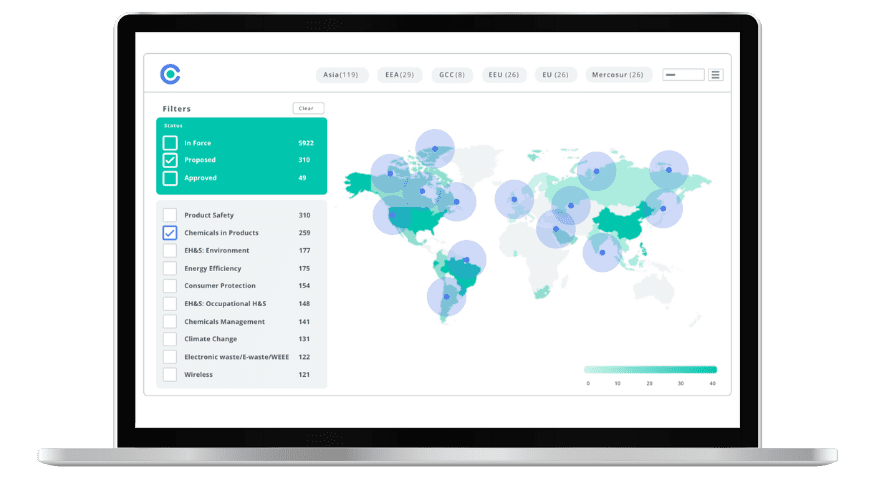
Simplify Corporate Sustainability Compliance
Six months of research, done in 60 seconds. Cut through ESG chaos and act with clarity. Try C&R Sustainability Free.