Beyond the Audit: A Practical Guide to Human Rights Due Diligence in Your Supply Chain
THIS BLOG WAS WRITTEN BY THE COMPLIANCE & RISKS MARKETING TEAM TO INFORM AND ENGAGE. HOWEVER, COMPLEX REGULATORY QUESTIONS REQUIRE SPECIALIST KNOWLEDGE. TO GET ACCURATE, EXPERT ANSWERS, PLEASE CLICK “ASK AN EXPERT.”
Regulations such as the German Supply Chain Act (LkSG) and the EU’s Corporate Sustainability Due Diligence Directive (CSDDD) are no longer just on the horizon; they’re here, and suddenly, that annual supplier audit doesn’t feel like enough. You have a sinking feeling that the check-the-box compliance that worked for years is about to become a massive liability.
And you’re right to worry.
The cost of getting this wrong is staggering. Non-compliance is estimated to cost companies at least 2.65 times more than proactive compliance. The CSDDD asks Member States to apply turnover-based fines, with maximum fines not below 5 % of the company’s annual net turnover (reduced to 2 % in CSDDD Omnibus trilogue.) It’s the kind of number that gets boards of directors very, very nervous.
But here’s the part that often gets lost in the panic: Human Rights Due Diligence (HRDD) isn’t just about avoiding catastrophic fines. It’s about building a more resilient, transparent, and ultimately more profitable supply chain. It’s about shifting from a reactive, damage-control mindset to a proactive, risk-management strategy. This guide is your roadmap for making that shift. We’ll move past the high-level legal jargon and give you an actionable framework for implementing a robust human rights due diligence process that protects your business, your reputation, and the people who make your products.
Table of Contents
- The Fatal Flaw: Why Traditional Audits Are Failing
- The Definitive HRDD Framework: A Unified Model for LkSG, CSDDD & UNGP
- Step 1 & 2: Embed Policy & Identify Actual and Potential Risks
- Step 3 & 4: Cease, Prevent, or Mitigate Impacts & Track Performance
- Step 5 & 6: Communicate & Remediate
- Your Compliance Roadmap Starts Now
- Frequently Asked Questions About Human Rights Due Diligence
The Fatal Flaw: Why Traditional Audits Are Failing
For decades, the social audit has been the cornerstone of ethical supply chain management. You schedule a visit, an auditor walks a factory floor with a clipboard, interviews a few workers, and a report is generated. You get a score, file it away, and feel you’ve done your part.
The problem? This model is fundamentally broken. It’s a snapshot in time, easily manipulated, and completely misaligned with the continuous, proactive diligence that new laws demand. The World Benchmarking Alliance found that a shocking 80% of companies scored zero on the initial steps of human rights due diligence. That implementation gap exists because they’re still stuck in the old audit mindset.
Human Rights Due Diligence represents a different approach, consisting of an ongoing management process rather than a singular event. Consider this analogy: a traditional audit resembles an annual medical examination, whereas HRDD equates to the consistent daily regimen of diet, exercise, and health monitoring that sustains well-being.
Here’s a simple breakdown of the critical differences:
| Feature | Traditional Social Audit | Human Rights Due Diligence (HRDD) |
|---|---|---|
| Focus | Compliance: Does the supplier meet a specific code of conduct at one point in time? | Impact: What are the actual and potential adverse impacts on people? How do we prevent and mitigate them? |
| Timing | Periodic & Announced: A scheduled, predictable event. | Continuous & Dynamic: An ongoing process integrated into procurement and business operations. |
| Approach | Reactive: Identifies problems after they have occurred. | Proactive: Aims to identify and prevent risks before they cause harm. |
| Scope | Facility-Centric: Focuses on a single factory’s conditions. | Risk-Centric: Follows the risk across the value chain, from raw materials to end-of-life. |
| Stakeholders | Limited Engagement: Primarily management interviews and staged worker conversations. | Meaningful Engagement: Actively involves workers, unions, and local communities to understand real-world impacts. |
| Outcome | A Score or Grade: Pass/fail mentality that often leads to hiding problems. | A Remediation Plan: Focuses on collaborative improvement and addressing root causes. |
New laws such as the German LkSGdon’t ask if you conducted an audit. They demand to see your risk analysis, your preventative measures, and proof that your grievance mechanisms are effective. An audit report alone simply won’t cut it.
The Definitive HRDD Framework: A Unified Model for LkSG, CSDDD & UNGP
The good news is you don’t have to reinvent the wheel. The core principles of HRDD are well-established by the UN Guiding Principles on Business and Human Rights (UNGPs) and the OECD Due Diligence Guidance. These frameworks form the DNA of new legislation.
We’ve synthesized these standards into a single, unified 6-step framework that aligns with the specific requirements of LkSG and the upcoming CSDDD. This is your operational playbook.
The 6-Step HRDD Framework:
- Embed Responsible Business Conduct: Integrate HRDD into company policies and management systems.
- Identify & Assess Adverse Impacts: Map your supply chain and analyze potential and actual human rights risks.
- Cease, Prevent, or Mitigate Impacts: Take concrete action to address the risks you’ve identified.
- Track Implementation & Results: Monitor the effectiveness of your actions and make adjustments.
- Communicate & Report: Be transparent about your efforts, challenges, and outcomes.
- Provide for or Cooperate in Remediation: Establish processes to remedy adverse impacts you have caused or contributed to.
Let’s break down what each of these steps looks like in practice.
Step 1 & 2: Embed Policy & Identify Actual and Potential Risks
This is the foundation. It begins with a clear, board-approved human rights policy that explicitly states your commitment. But a policy is just paper. The real work is in risk assessment.
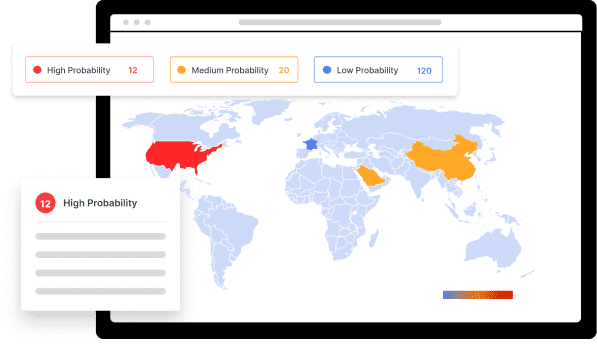
You need to move beyond your Tier 1 suppliers and gain visibility into your entire value chain. This means asking a different set of questions:
- Geographic Risk: Where are our raw materials sourced from? Are these regions known for forced labor, child labor, or union suppression?
- Sector Risk: Are we in high-risk industries like agriculture, electronics, or garments where abuses are more prevalent?
- Product Risk: Does the production of our goods rely on commodities linked to human rights violations, like cobalt or cotton from specific regions?
Going Deep: Actionable Risk Mapping Beyond Tier 1
Getting data from your Tier 2, 3, and 4 suppliers is the single biggest challenge for most companies. Your direct suppliers may not know, or want to share, who their suppliers are. Here’s how to break through that wall:
- Mandate Transparency in Contracts: Make supply chain mapping a contractual obligation for your Tier 1 suppliers. Require them to identify their own critical suppliers as a condition of doing business.
- Leverage Technology: Use platforms like C2P to manage supplier data, track certifications, and flag high-risk entities based on real-time regulatory and incident data.
- Focus on Choke Points: You don’t need to map every single input. Identify critical commodities or components where the supply chain narrows. Focus your deep-dive diligence on those “choke points,” like smelters, refineries, or major agricultural co-ops.
- Collaborate with Industry Peers: Join industry initiatives that pool resources to map shared supply chains. You are likely buying from the same deep-tier suppliers as your competitors.
Step 3 & 4: Cease, Prevent, or Mitigate Impacts & Track Performance
Once you’ve identified a risk – say, excessive overtime at a supplier factory – the old model was to threaten them with termination. The HRDD model demands a more nuanced approach focused on mitigation and prevention.
This means asking why the problem is happening. Is it poor management at the factory? Or is it something else?
The Buyer Practices Trap: Are Your Own Demands Creating the Risk?
Here’s the uncomfortable truth: sometimes, we are the root cause of the problem. A landmark study by the ILO found a direct link between brand purchasing practices and working conditions. When we demand last-minute order changes, impose unrealistic deadlines, or squeeze prices so low that suppliers can’t afford to pay legal minimum wage, we are actively creating the conditions for human rights abuses.
LkSG and CSDDD expect you to look in the mirror. Mitigating risk means reforming your own internal processes.
Procurement Policy Checklist for Ethical Buying:
- Do our contracts include clauses for responsible purchasing practices?
- Does our planning process give suppliers adequate lead time?
- Is our pricing formula benchmarked to cover the cost of fair wages and safe working conditions?
- Do we have a penalty system for our own teams who make last-minute changes that put suppliers under pressure?
- Do we collaborate with suppliers on forecasting to avoid sudden spikes in demand?
Tracking performance isn’t just about auditing your supplier; it’s about tracking whether your own mitigation efforts are working. Are complaints about overtime going down after you adjusted your lead times? That’s a powerful key performance indicator (KPI).
Step 5 & 6: Communicate & Remediate
Transparency is non-negotiable. You are required to report publicly on your due diligence process, the risks you’ve found, and the steps you’re taking. This isn’t about projecting a perfect image; it’s about demonstrating progress and being accountable.
But the most critical component is remediation. When harm has occurred, you have a responsibility to provide a remedy. This is where effective grievance mechanisms come in.
Beyond Whistleblowing: Building Grievance Mechanisms That Work
Many companies have a whistleblower hotline. But an effective grievance mechanism is much more. It must be:
- Accessible: Can workers report issues in their own language, through multiple channels (phone, app, in-person), without fear of retaliation?
- Legitimate: Is it trusted by the workforce? Is it operated by a neutral third party or a credible internal body?
- Predictable: Is there a clear, transparent process for how complaints are handled and a defined timeline for resolution?
- Equitable: Does it provide fair and just outcomes for the aggrieved party?
Simply terminating a supplier relationship when a problem is found is often the worst possible outcome. It can leave workers jobless and does nothing to fix the underlying issue. A mature HRDD process focuses on collaborative remediation, such as ensuring workers are paid back wages or investing in safety upgrades at a facility.
Your Compliance Roadmap Starts Now
Navigating this new landscape of mandatory human rights due diligence feels complex because it is. The days of simple, check-the-box audits are over, and the era of continuous, integrated risk management has begun. The stakes – both financial and reputational – have never been higher.
But the opportunity is equally significant. Companies that master this process will not only de-risk their operations but also build stronger, more collaborative relationships with their suppliers. They will unlock new levels of transparency that drive efficiency and innovation. Remember that data point from the ILO? The economic returns from ending forced labor show a potential 3:1 return on investment. This isn’t a cost center; it’s a value driver.
Building a robust HRDD system requires the right framework, the right internal processes, and the right technology to manage it all. At Compliance & Risks, we help the world’s leading companies navigate regulatory complexity. Our C2P platform provides the real-time intelligence and integrated tools you need to build a compliant, resilient, and responsible supply chain.
Ready to move beyond the audit? Explore how C2P can power your Human Rights Due Diligence program.
Frequently Asked Questions About Human Rights Due Diligence
- Q: What is human rights due diligence (HRDD)?
Human Rights Due Diligence is the ongoing management process that a company undertakes to identify, prevent, mitigate, and account for how it addresses its adverse human rights impacts. It is a core expectation of the UN Guiding Principles on Business and Human Rights (UNGPs) and a legal requirement under laws like the German Supply Chain Act (LkSG) and the EU CSDDD. - Q: Isn’t our supplier audit program enough to be compliant?
No. While audits can be a part of your due diligence, they are not sufficient on their own. New legislation requires a proactive and continuous risk management process that includes risk analysis of your entire value chain, preventative measures (including examining your own purchasing practices), effective grievance mechanisms, and transparent reporting. A one-off audit does not meet these comprehensive requirements. - Q: This sounds expensive. What is the ROI?
The cost of non-compliance is significantly higher than the cost of compliance. Fines are turnover-based, and reputational damage can be devastating. Conversely, proactive HRDD builds supply chain resilience, strengthens supplier relationships, and improves brand reputation. Studies have even shown a 3:1 economic return on investments aimed at ending forced labor, demonstrating that good ethics can also be good business. - Q: How can we possibly have visibility into our deep-tier (Tier 2+) suppliers?
Achieving deep-tier visibility is challenging but not impossible. Key strategies include making supply chain mapping a contractual requirement for your direct suppliers, using technology platforms to trace materials, focusing on high-risk commodities and “choke points,” and collaborating with industry peers who share the same deep-tier suppliers. It’s a process of continuous improvement, not immediate perfection. - Q: What’s the first step my company should take to implement HRDD?
The best first step is to conduct a comprehensive risk assessment based on your specific industry, sourcing locations, and business relationships. This will help you prioritize where to focus your due diligence efforts. Alongside this, draft or update your formal human rights policy and secure buy-in from senior leadership, as this commitment is essential for driving change throughout the organization.
Experience the Future of ESG Compliance
The Compliance & Risks Sustainability Platform is available now with a 30-day free trial. Experience firsthand how AI-driven, human-verified intelligence transforms regulatory complexity into strategic clarity.
👉 Start your free trial today and see how your team can lead the future of ESG compliance.
The future of compliance is predictive, verifiable, and strategic. The only question is: Will you be leading it, or catching up to it?
Six Months of Research, Done in 60 Seconds
Cut through ESG chaos and act with clarity. Try C&R Sustainability Free.