Navigating the “S” in ESG: Benchmarking Worker Welfare and Social Impact for a Sustainable Future
THIS BLOG WAS WRITTEN BY THE COMPLIANCE & RISKS MARKETING TEAM TO INFORM AND ENGAGE. HOWEVER, COMPLEX REGULATORY QUESTIONS REQUIRE SPECIALIST KNOWLEDGE. TO GET ACCURATE, EXPERT ANSWERS, PLEASE CLICK “ASK AN EXPERT.”
For a long time, the “S” in ESG felt a little nebulous. We could quantify environmental impacts with emissions data, and governance with board diversity, but worker welfare and social impact? That often felt like a series of anecdotes or well-intentioned but hard-to-measure initiatives.
But here’s the truth: that era is over. Stakeholders – from investors to consumers to, most importantly, your own employees – are demanding transparency, accountability, and demonstrable progress on social issues. The question isn’t if you should measure worker welfare and social impact, but how you can do it effectively, comprehensively, and in a way that truly drives positive change.
You’re likely here because you’re past the “why.” You understand the strategic imperative. What you need now is the “how” – the frameworks, the Key Performance Indicators (KPIs), and the practical methodologies to move from intention to impact.
This guide is designed to be your trusted resource, offering clear insights, actionable strategies, and a path to robustly benchmark your organization’s commitment to worker welfare and broader social impact. We’ll dive deep into defining what truly constitutes comprehensive worker welfare, explore the essential KPIs that tell the real story, and compare the leading frameworks, including a simplified look at Social Life Cycle Assessment, to help you choose the right tools for your unique journey.
Table of Contents
- The Strategic Imperative: Why Worker Welfare & Social Impact Matter Now More Than Ever
- Beyond HR: Defining Comprehensive Worker Welfare & Social Impact
- Actionable Metrics: Key Performance Indicators (KPIs) and How to Measure Them
- Navigating the Landscape of Frameworks: Which One is Right for You?
- Implementing a Continuous Improvement Cycle for Worker Welfare
- Worker Welfare Benchmarking in Action: Case Study Insights
- The Future of Worker Welfare: Trends and Technologies
- Frequently Asked Questions (FAQ)
- Conclusion: Empowering Your Journey to Ethical and Sustainable Business
The Strategic Imperative: Why Worker Welfare & Social Impact Matter Now More Than Ever
The business landscape has fundamentally shifted. Gone are the days when companies could treat social impact as a separate, feel-good initiative. Today, robust worker welfare and social impact benchmarks aren’t just ethical imperatives; they’re critical drivers of long-term business success.
Think about it:
- Talent Retention & Productivity: When employees feel holistically healthy and valued, they’re more engaged and productive. Data suggests that highly satisfied employees can be 74% more satisfied and 59% more engaged. This directly translates to lower turnover, which is crucial when organizations continue to face significant retention challenges, with 89% of HR leaders considering employee retention a top priority.
- Reputation & Brand Value: In an interconnected world, consumers and partners demand to know that the products and services they buy are created ethically. Scandals related to poor labor practices can decimate brand value overnight. Conversely, a strong commitment to social responsibility builds trust and loyalty.
- Regulatory Compliance: The regulatory landscape is evolving rapidly. The EU’s Corporate Sustainability Reporting Directive (CSRD) and European Sustainability Reporting Standards (ESRS) will mandate comprehensive sustainability reporting for thousands of companies. This includes detailed social impact and worker welfare disclosures. Ignoring these changes isn’t an option; it’s a significant risk.
- Investor Pressure: Investors are increasingly scrutinizing the “S” in ESG. Over 10,000 companies already use GRI Standards for reporting, and 50% of impact investors utilize IRIS+ metrics. Capital is flowing towards companies that can demonstrate strong social governance and impact. If you can’t measure it, you can’t report it, and you risk being overlooked.
This isn’t just about avoiding risk; it’s about seizing opportunity. Companies that lead in worker welfare and social impact are better positioned to attract and retain top talent, enhance brand equity, navigate regulatory changes, and secure investment.
Beyond HR: Defining Comprehensive Worker Welfare & Social Impact
When we talk about worker welfare and social impact, it’s easy to default to traditional HR metrics. But honestly, that’s just scratching the surface. A truly comprehensive approach requires a broader lens, looking beyond your direct employees to encompass your entire value chain.
Employee Wellbeing vs. Broader Worker Welfare
Let’s clarify a crucial distinction here:
- Employee Wellbeing typically focuses on the health, happiness, and satisfaction of your direct employees. This includes mental health support, work-life balance initiatives, physical wellness programs, and financial literacy. These are vital internal programs that contribute significantly to your company culture and productivity.
- Broader Worker Welfare and Social Impact takes this a step further. It encompasses the wellbeing of all workers involved in your operations, including those in your extended supply chain, contract workers, and even communities indirectly affected by your business practices. This is where topics like living wages, ethical sourcing, human rights due diligence, and community impact come into play.
Traditional HR metrics, while valuable, often fall short of capturing this broader picture. They might tell you about internal employee satisfaction or retention, but they won’t reveal if your suppliers are paying a living wage, if child labor is present deep in your supply chain, or if your operations are negatively impacting local communities. For global companies, this broader perspective is non-negotiable.
The Pillars of Effective Worker Welfare Benchmarking
So, how do we begin to measure this comprehensive vision of worker welfare? It starts by breaking it down into key, interconnected pillars. These are the areas where you need to focus your measurement efforts to gain a holistic understanding of your social impact.
Health & Safety: This is foundational. It goes beyond mere compliance with safety regulations to proactive measures. We’re talking about incident rates (Lost Time Injury Frequency Rate – LTIFR), near-miss reporting, safety training hours, access to personal protective equipment (PPE), and preventative health programs. It’s about ensuring every worker, everywhere in your value chain, goes home safe.
- Fair Labor Practices: This pillar addresses the fundamental rights and treatment of workers. Key areas include:
- Living Wage: Are workers earning enough to afford a decent standard of living in their local context? This often requires sophisticated living wage indexing, comparing wages to local cost-of-living data.
- Working Hours: Adherence to legal working hours, overtime compensation, and preventing excessive or forced overtime.
- Non-Discrimination & Equal Opportunity: Ensuring fair treatment regardless of gender, race, religion, or any other characteristic. This includes wage parity.
- Freedom of Association & Collective Bargaining: Respecting workers’ rights to form and join trade unions.
- Prevention of Forced Labor & Child Labor: Zero tolerance for these egregious human rights violations throughout the supply chain.
- Wellbeing & Engagement: While overlapping with employee wellbeing, this expands to foster a positive and supportive work environment for all. It covers:
- Mental Health Support: Access to counseling, stress management programs, and a culture that de-stigmatizes mental health challenges.
- Work-Life Balance: Flexible working arrangements, reasonable demands, and support for personal and family responsibilities.
- Job Satisfaction & Meaningful Work: Beyond compensation, do workers feel their contributions are valued, and do they have opportunities for growth and development?
- Professional Development & Training: Investment in skills development and career advancement.
- Community & Human Rights Impact: This pillar extends beyond the immediate workplace to the broader impact of your operations on communities and fundamental human rights.
- Ethical Sourcing: Ensuring raw materials and components are sourced in a way that respects human rights and environmental standards.
- Community Engagement & Development: Programs that contribute positively to local communities, such as local hiring, infrastructure development, or volunteer initiatives.
- Grievance Mechanisms: Establishing accessible and effective channels for workers and communities to raise concerns without fear of retaliation.
These pillars provide a robust framework, but the real power comes from turning them into measurable indicators.
Actionable Metrics: Key Performance Indicators (KPIs) and How to Measure Them
Let’s talk about the specific metrics – the KPIs – that bring these pillars to life. You need a blend of quantitative data to track progress and qualitative insights to understand the human story behind the numbers.
Quantitative KPIs: The Numbers That Tell a Story
These are your measurable indicators, allowing for benchmarking and trend analysis over time.
Employee Turnover Rate: A high turnover can indicate issues with compensation, work culture, or work-life balance.
- Formula: (Number of separations / Average number of employees) × 100%
- Insight: Organizations continue to face significant retention challenges, with 89% of HR leaders considering employee retention a top priority.
Absenteeism Rate: Unplanned absences can signal stress, poor health, or disengagement.
- Formula: (Total number of absent days / Total number of scheduled workdays) × 100%
Lost Time Injury Frequency Rate (LTIFR): A core safety metric.
- Formula: (Number of lost-time injuries × 1,000,000) / Total hours worked
Wage Parity Ratio: Compares average wages between different demographic groups (e.g., gender, ethnicity) for similar roles.
- Formula: (Average wage of Group A / Average wage of Group B)
- Training Hours per Employee: Measures investment in professional development and safety.
- Grievance Resolution Rate & Time: Tracks how many grievances are resolved and how quickly.
- Living Wage Gap: The difference between actual wages paid and a calculated living wage for a specific region. This is crucial for supply chain assessment.
- Supplier Compliance Rate (Social Audits): Percentage of suppliers meeting social compliance standards.
- Volunteer Hours & Community Investment: Quantifies contributions to local communities.
Qualitative Indicators: Understanding the Human Experience
Numbers alone can’t capture the full picture. You need to understand the ‘why’ behind the ‘what.’
- Employee Sentiment & Engagement Surveys: Regular, anonymous surveys can reveal perceptions of fairness, support, workload, and opportunities for growth.
- Exit Interview Insights: Valuable feedback from departing employees can highlight systemic issues.
- Focus Groups & Worker Interviews: Direct engagement, especially in supply chains, to understand lived experiences, challenges, and aspirations.
- Testimonial Analysis: Analyzing unstructured feedback from various channels to identify themes and sentiment.
Balancing these quantitative and qualitative insights is key to a robust understanding. The quantitative data tells you what is happening, while the qualitative data helps you understand why and how to address it.
The Challenge of Data Collection: Overcoming Hurdles
Honestly, collecting reliable worker welfare and social impact data, especially across complex global supply chains, is hard. You know this. Common hurdles include:
- Data Silos: Information scattered across different departments, systems, and geographies.
- Lack of Resources: Small and medium-sized suppliers often lack the capacity or expertise for detailed reporting.
- Engagement: Getting meaningful, honest feedback from workers, particularly in cultures where speaking out might be risky.
- Verification: Ensuring the accuracy and truthfulness of reported data from third parties.
Overcoming these challenges often involves building strong relationships with suppliers, investing in capacity building, implementing clear data governance policies, and leveraging technology for better tracking and analysis.
Navigating the Landscape of Frameworks: Which One is Right for You?
The world of social impact measurement frameworks can feel like a labyrinth. There are so many standards, guidelines, and methodologies out there. But don’t let that overwhelm you. The key is to understand your objectives and choose the framework (or combination of frameworks) that best aligns with your goals, industry, and stakeholder expectations.
Decoding Social Life Cycle Assessment (S-LCA) for Business
You might have heard of Life Cycle Assessment (LCA) for environmental impacts. Social Life Cycle Assessment (S-LCA) is its social counterpart, offering a powerful, yet often academically dense, way to evaluate the social impacts of a product or service throughout its entire life cycle – from raw material extraction to disposal.
What it is: S-LCA systematically identifies and assesses the potential positive and negative social impacts on stakeholders (workers, local communities, consumers, value chain actors) at each stage of a product’s life. Think “cradle-to-grave” for social issues.
Why it’s powerful for businesses: It helps uncover hidden social risks and opportunities deep within your supply chain that traditional audits might miss. It provides a holistic view, moving beyond your direct operations. For example, it could reveal child labor risks in a raw material’s country of origin, or poor working conditions in a distant manufacturing facility.
How businesses can approach it practically:
- Don’t aim for academic rigor initially: Full S-LCA can be resource-intensive. Start by identifying “hotspots” – areas in your value chain with the highest potential social risks based on industry, geography, and material type.
- Focus on relevant impact categories: Instead of trying to measure everything, concentrate on critical social indicators relevant to your business (e.g., fair wages, health & safety, indigenous rights).
- Integrate with existing data: Leverage supplier audit data, incident reports, and local human rights risk assessments.
- Use it as a risk management tool: S-LCA can proactively identify where social due diligence needs to be strengthened, rather than just reporting after an issue arises.
While it’s a more advanced tool, understanding S-LCA principles allows you to integrate a more holistic, forward-thinking approach to managing your social footprint.
Essential Reporting Standards & Guidelines
Beyond S-LCA, several frameworks provide guidance for reporting your social performance:
- GRI Standards (Global Reporting Initiative): Widely used, comprehensive, and stakeholder-inclusive, covering a broad range of economic, environmental, and social topics. Excellent for transparent, public reporting.
- SASB Standards (Sustainability Accounting Standards Board): Industry-specific and focused on financially material sustainability issues for investors. If investor communication is your primary goal, SASB is critical.
- IRIS+ (Impact Reporting and Investment Standards): A comprehensive catalog of generally accepted performance metrics that impact investors use to measure and manage their social, environmental, and financial performance.
- ISO 26000 (Guidance on Social Responsibility): Provides guidance on how businesses and organizations can operate in a socially responsible way, covering human rights, labor practices, the environment, fair operating practices, consumer issues, and community involvement. It’s a guide, not a certifiable standard.
- UN SDGs (United Nations Sustainable Development Goals): A universal call to action to end poverty, protect the planet, and ensure that all people enjoy peace and prosperity. Many companies align their social impact initiatives with relevant SDGs (e.g., SDG 8: Decent Work and Economic Growth).
Comparative Framework Analysis: Choosing Your Path
Choosing the right framework depends on your specific context. Here’s a quick guide:
| Framework | Primary Focus | Best For… | Key Differentiator |
|---|---|---|---|
| S-LCA | Life-cycle social impact | Identifying deep supply chain risks/opportunities | Holistic, scientific assessment of social impacts across the entire value chain. |
| GRI Standards | Comprehensive, stakeholder-driven | Broad public sustainability reporting | High level of disclosure, covers a wide range of ESG topics. |
| SASB Standards | Financially material, industry-specific | Investor communication & financial risk assessment | Industry-specific metrics, focuses on financial materiality for investors. |
| IRIS+ | Standardized impact measurement | Impact investors and organizations seeking capital | Common metrics for comparing impact investments. |
| ISO 26000 | Guidance on social responsibility | Integrating social responsibility into operations | Provides guidance, not a certifiable standard; broad scope. |
| UN SDGs | Global sustainable development | Aligning business strategy with global goals | Broad, aspirational goals for strategic alignment and communication. |
To decide, ask yourself: What are my primary goals? Who is my main audience for this information (investors, consumers, regulators, internal teams)? What industry am I in? How mature is my current sustainability reporting? Often, a combination of these frameworks provides the most robust approach.
Implementing a Continuous Improvement Cycle for Worker Welfare
Measuring worker welfare isn’t a one-time audit; it’s an ongoing, iterative process aimed at continuous improvement. The goal isn’t just to report data, but to use that data to drive meaningful change.
A Step-by-Step Methodology (Inspired by DeCAL)
Here’s a practical, four-stage approach to embedding worker welfare into your operations:
Define:
- Set Clear Objectives: What specific worker welfare outcomes do you want to achieve? (e.g., “Reduce LTIFR by X%,” “Ensure all Tier 1 suppliers pay a living wage by Y date”).
- Identify Key Impact Indicators (KIIs): Select the KPIs and qualitative indicators most relevant to your objectives and material to your business. Don’t try to measure everything at once.
- Establish Baselines: Where are you starting from? This is essential for measuring progress.
Collect:
- Identify Data Sources: This might include internal HR systems, supplier audit reports, worker surveys, grievance logs, and external human rights risk indices.
- Ensure Data Quality & Integrity: This is paramount. Implement robust data collection protocols, verify information, and ensure ethical considerations (e.g., anonymity, consent) are always followed, particularly when collecting sensitive worker data.
- Overcome Collection Challenges: Leverage technology where possible (e.g., platforms for supplier data submission, anonymous digital grievance mechanisms). Build capacity with your suppliers.
Analyze:
- Identify Trends & Patterns: Look beyond individual data points to spot broader issues or successes.
- Connect Quantitative and Qualitative Data: What do the numbers say, and how does that align with worker experiences? Do employee surveys explain a spike in turnover?
- Avoid Causality vs. Correlation Pitfalls: Just because two things happen together doesn’t mean one caused the other. Dig deeper to understand root causes.
- Benchmarking: Compare your performance against industry peers or best practices to identify areas for improvement.
Leverage:
- Report Insights: Communicate your findings internally to drive action and externally to build trust with stakeholders. Transparency is key.
- Inform Strategy & Decision-Making: Use the data to adjust policies, implement new programs, and allocate resources effectively.
- Drive Continuous Improvement: This isn’t a linear process. The insights gained should feed back into your definitions, leading to refined objectives and indicators. It’s an ongoing cycle of learning and adaptation.
This iterative approach ensures your worker welfare initiatives are dynamic, responsive, and truly impactful.
Worker Welfare Benchmarking in Action: Case Study Insights
While specific case studies for every permutation are beyond this guide, it’s helpful to understand what successful worker welfare benchmarking looks like in practice. Leading organizations demonstrate a few common threads:
- Integrated Strategy: Worker welfare isn’t a separate department; it’s woven into the core business strategy, product design, and supply chain management.
- Transparency & Disclosure: They openly report on their targets, progress, and challenges, even when the news isn’t all positive. This builds credibility.
- Stakeholder Engagement: They actively listen to workers, unions, communities, and NGOs to understand their perspectives and concerns, using these insights to inform their metrics and programs.
- Tangible Improvements: They can point to concrete, measurable improvements in areas like reduced injury rates, increased wages, improved working conditions, or enhanced professional development opportunities.
- Scalability: Their systems for monitoring and improving worker welfare are robust enough to scale across diverse geographies and complex supply chains.
These companies recognize that investing in their people, both direct and indirect, creates resilient, ethical, and ultimately more successful businesses.
The Future of Worker Welfare: Trends and Technologies
The landscape of worker welfare and social impact is constantly evolving. Staying ahead means anticipating future trends and leveraging emerging technologies.
- Ethical AI for Monitoring: Artificial intelligence can analyze vast datasets to identify potential risks (e.g., patterns in grievance data, anomalies in working hours) or predict areas of high labor risk in supply chains. The key, of course, is ensuring its ethical deployment, respecting privacy and avoiding bias.
- Blockchain for Supply Chain Transparency: Imagine a ledger that transparently tracks every payment to a worker, every safety certification, or every training completion along your supply chain. Blockchain technology holds the promise of unprecedented traceability and verifiable claims regarding labor practices, making living wage indexing and fair labor practices far easier to monitor and audit.
- Evolving Regulatory Landscape: Beyond CSRD, expect more stringent human rights due diligence laws globally, requiring companies to proactively identify, prevent, and mitigate adverse human rights impacts, including those related to labor.
- The “S” in ESG Gains More Prominence: As environmental reporting becomes more standardized, investor and public scrutiny will increasingly shift to the “S,” demanding more sophisticated and transparent social performance data.
- Holistic Wellbeing: The understanding of worker wellbeing will continue to broaden, encompassing financial literacy, mental health access, and the societal factors that impact workers’ lives beyond the workplace.
Embracing these trends and technologies will be crucial for companies aiming to lead in ethical and sustainable business practices.
Frequently Asked Questions (FAQ)
- What is the difference between employee wellbeing and worker welfare?
Employee wellbeing typically refers to the health, happiness, and satisfaction of your direct employees within your organization. Worker welfare is a broader term encompassing the wellbeing and rights of all workers across your entire value chain, including contractors, gig workers, and those in your supply chain, often focusing on fundamental rights like fair pay, safe conditions, and freedom from exploitation. - Why should my company invest in worker welfare benchmarking?
Investing in worker welfare benchmarking drives business value by improving employee retention and productivity, enhancing brand reputation, ensuring compliance with evolving regulations, attracting ethical investors, and proactively identifying and mitigating social risks across your operations. - How do I choose the right framework for my business?
The best framework depends on your objectives, target audience, industry, and current reporting maturity. If your goal is comprehensive public reporting, GRI is excellent. For investor-focused, financially material disclosures, SASB is key. If you’re looking to understand deep supply chain risks, S-LCA principles can be valuable. Often, a combination provides the most robust approach. - What are the biggest challenges in collecting worker welfare data?
Key challenges include data silos across departments and supply chain tiers, limited resources for data collection and reporting, ensuring data accuracy and verification, and effectively engaging diverse worker groups to gather honest qualitative insights. - How can technology help with worker welfare compliance?
Technology, such as AI-driven analytics, can help identify risk patterns and predict issues. Blockchain can enhance supply chain transparency by creating verifiable records of labor conditions and payments. Specialized SaaS platforms can centralize data collection, management, and reporting, simplifying complex compliance processes.
Conclusion: Empowering Your Journey to Ethical and Sustainable Business
The journey toward robust worker welfare and social impact benchmarking can seem daunting, but it’s an essential one. By embracing a holistic view, implementing clear KPIs, leveraging appropriate frameworks like S-LCA, and committing to a cycle of continuous improvement, you’re not just complying with regulations or ticking boxes. You’re building a more resilient, ethical, and sustainable business – one that stands out in a crowded market and truly makes a difference in the lives of people.
We understand the complexities of navigating this landscape, especially for global organizations with intricate supply chains. Our mission is to provide the reliable legislative information, insights, and actions you need to build safe, sustainable products in a rapidly changing world.
Ready to transform your approach to worker welfare and social impact? Let’s connect and explore how our expertise and solutions can empower your journey.
Sources
- European Commission. (2025). “Corporate sustainability reporting.” Retrieved from https://finance.ec.europa.eu/capital-markets-union-and-financial-markets/company-reporting-and-auditing/company-reporting/corporate-sustainability-reporting_en
- European Parliament. (2025). “Deal on updated sustainability reporting and due diligence rules.” Retrieved from https://www.europarl.europa.eu/news/en/press-room/
- TechTarget. (2025). “The social ‘S’ in ESG: Examples, factors and best practices.” Retrieved from https://www.techtarget.com/sustainability/feature/5-ways-organizations-can-address-the-social-factors-of-ESG
- ESG Sustainability Directory. (2025). “ESG Social Pillar.” Retrieved from https://esg.sustainability-directory.com/area/esg-social-pillar/
- Mercer. (2025). “Results of the 2025 US Turnover Surveys.” Retrieved from https://www.imercer.com/articleinsights/workforce-turnover-trends
- BambooHR. (2025). “Employee Turnover Benchmarking Trends in 2025.” Retrieved from https://www.bamboohr.com/resources/guides/turnover-benchmarks
- U.S. Bureau of Labor Statistics. (2025). “Job Openings and Labor Turnover Survey (JOLTS).” Retrieved from https://www.bls.gov/news.release/jolts.toc.htm
- Global Reporting Initiative. (2025). “GRI Standards.” Retrieved from https://www.globalreporting.org/standards/
- Green Central Banking. (2025). “GRI climate standards updated to better align with ISSB.” Retrieved from https://greencentralbanking.com/2025/06/26/gri-updates-climate-standards-to-better-align-with-issb/
- UNEP Life Cycle Initiative. (2024). “Social Life Cycle Assessment (S-LCA).” Retrieved from https://www.lifecycleinitiative.org/starting-life-cycle-thinking/life-cycle-approaches/social-lca/
- International Journal of Life Cycle Assessment. (2025). “Finally, an international standard on social life cycle assessment: ISO 14075.” Retrieved from https://link.springer.com/article/10.1007/s11367-025-02522-y
- SimaPro. (2025). “Social life cycle assessment explained.” Retrieved from https://simapro.com/insights/social-life-cycle-assessment-lca-explained/
- Global Impact Investing Network (GIIN). (2025). “IRIS+.” Retrieved from https://iris.thegiin.org/
- Mission Investors Exchange. (2024). “IRIS+ Catalog of Metrics and Industry.” Retrieved from https://missioninvestors.org/resources/iris-catalog-metrics-and-industry
- Sustainability Accounting Standards Board. (2025). “SASB Standards.” Retrieved from https://www.sasb.org/standards/
- United Nations. (2025). “Sustainable Development Goals.” Retrieved from https://sdgs.un.org/
- International Organization for Standardization. (2010, updated guidance 2025). “ISO 26000: Guidance on Social Responsibility.” Retrieved from https://www.iso.org/iso-26000-social-responsibility.html
- European Commission. (2025). “European Sustainability Reporting Standards.” Retrieved from https://finance.ec.europa.eu/capital-markets-union-and-financial-markets/company-reporting-and-auditing/company-reporting/corporate-sustainability-reporting_en
- UN Guiding Principles on Business and Human Rights. (2011, continued relevance 2025). Retrieved from https://www.ohchr.org/en/issues/business/pages/ruggiereport.asp
- International Labour Organization (ILO). (2025). “Decent Work and the 2030 Agenda for Sustainable Development.” Retrieved from https://www.ilo.org/global/topics/sdg-2030/lang–en/index.htm
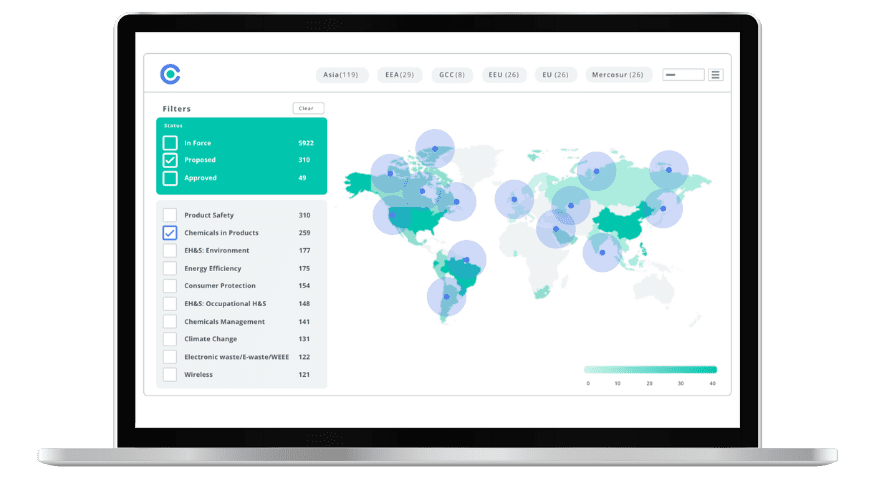
Simplify Corporate Sustainability Compliance
Six months of research, done in 60 seconds. Cut through ESG chaos and act with clarity. Try C&R Sustainability Free.