Mastering Environmental Compliance Documentation and Reporting
THIS BLOG WAS WRITTEN BY THE COMPLIANCE & RISKS MARKETING TEAM TO INFORM AND ENGAGE. HOWEVER, COMPLEX REGULATORY QUESTIONS REQUIRE SPECIALIST KNOWLEDGE. TO GET ACCURATE, EXPERT ANSWERS, PLEASE CLICK “ASK AN EXPERT.”
You know that moment when the audit letter lands, or a new regulation drops, and a wave of dread washes over you? The sheer complexity of environmental compliance can feel like navigating a labyrinth blindfolded. With nearly 16,000 U.S. facilities currently holding environmental violations, and over 4,000 facing significant breaches, the stakes are undeniably high. It’s not just about fines – though EPA enforcement saw 27,000 facilities cited and over $700 million in penalties in 2025 – it’s about your brand’s reputation, operational continuity, and the trust you’ve worked so hard to build.
But what if you could turn that dread into confidence? What if your environmental compliance documentation wasn’t just a burden, but a strategic asset, ready for any audit, any new mandate, anywhere in the world? This isn’t just wishful thinking; it’s entirely achievable with a proactive, technically sound approach to documentation and reporting. We’re going to peel back the layers of complexity, showing you not just what to document, but how to ensure it’s audit-ready, consistently accurate, and future-proof.
Table of Contents
- The High Stakes of Non-Compliance: Why Documentation Isn’t Optional
- Understanding the Regulatory Landscape: A Global Challenge
- The Anatomy of Audit-Ready Documentation: What Regulators Really Scrutinize
- Multi-Stage Compliance Assessment: Beyond the Surface
- Environmental Site Data Management (ESDM) Reports: The Granular Details
- Declarations of Conformity: Your Legal Promise
- Safety Data Sheets (SDS): Global Standards, Local Nuances
- Product Technical Files: The Definitive Story
- Site-Specific Standards & Technical Registries: Beyond the General
- Mastering the Environmental Audit: A Proactive Documentation Strategy
- Automated Documentation Generation: The Future is Now
- From Data to Decisions: Leveraging Digital Reporting & Analytics
- Choosing Your Compliance Partner: Evaluation Criteria for Documentation Solutions
- Key Takeaways
- Frequently Asked Questions (FAQ)
- Conclusion: Beyond Compliance – Towards Environmental Stewardship
- Stat Sources
The High Stakes of Non-Compliance: Why Documentation Isn’t Optional
When we talk about environmental compliance, the immediate thought often goes to regulatory fines. And rightly so. With federal and state regulators prioritizing enforcement, particularly in areas like wastewater and water discharge, the financial penalties can be staggering. But the cost of poor documentation extends far beyond monetary fines.
Think about the ripple effect. An environmental violation can trigger intense public scrutiny, damaging your brand’s reputation and eroding customer trust. It can lead to operational disruptions, increased insurance premiums, and even legal challenges from stakeholders. The shift towards publicly accessible digital platforms for real-time compliance visibility, such as EPA’s ECHO dashboards, means that non-compliance is no longer hidden behind closed doors; it’s a public record. This increased transparency amplifies the need for meticulous, verifiable documentation.
Poor documentation isn’t just a slip-up; it’s a strategic vulnerability. It indicates a lack of control, potentially opening the door to further violations and undermining your sustainability efforts. This is why getting your documentation right – making it truly “audit-ready” – is not just an administrative task, but a critical investment in your company’s future and its standing as a responsible corporate citizen.
Understanding the Regulatory Landscape: A Global Challenge
The environmental regulatory landscape is a beast. It’s fragmented, constantly evolving, and varies dramatically from one jurisdiction to another. You’re not just dealing with broad frameworks like ISO 14001 or REACH; you’re also wrestling with a patchwork of national and increasingly stringent state-level regulations. Just look at California’s climate reporting mandates (SB 253 & SB 261), which contrast sharply with anti-ESG actions in other regions. This fragmentation means that what’s compliant in one market could be a major violation in another. Keeping up feels like a full-time job in itself, and frankly, it is.
And if that wasn’t enough, new mandates are emerging that demand unprecedented levels of data collection and documentation. Consider the looming PFAS reporting requirements: Minnesota’s disclosure deadline hits on July 1, 2026, while the federal EPA reporting window opens in April. Manufacturers must provide product-specific data – including uses, volumes, and disposal – dating back to 2011. This isn’t a small ask; it’s a massive data-gathering and documentation challenge that impacts entire supply chains. EPA is even planning to hire over 300 inspectors in 2026, signalling a clear intent to intensify enforcement.
This isn’t just about ticking boxes; it’s about navigating a constantly shifting landscape where the rules of engagement are always changing. Without a robust system to track, interpret, and act on these changes, businesses are essentially flying blind, exposing themselves to significant, avoidable risks.
The Anatomy of Audit-Ready Documentation: What Regulators Really Scrutinize
So, what does “audit-ready” actually mean for your environmental documentation? It goes far beyond simply having a file. Regulators, auditors, and even internal stakeholders are looking for specific, granular technical details that often get overlooked. This is where many companies fall short, leading to citations, delays, and a lot of unnecessary stress.
Multi-Stage Compliance Assessment: Beyond the Surface
One of the most common oversights is understanding the nuances of a multi-stage compliance assessment. Many organizations prepare for a single, comprehensive review, but environmental compliance approvals often involve a two-stage process: a preliminary “Pass/Fail” assessment followed by a detailed engineering review. Each stage demands specific documentation:
- “Pass/Fail” Stage: Here, auditors are looking for clear, concise evidence that basic regulatory thresholds and criteria are met. This might involve high-level summaries, permits, and declarations that confirm your operations align with fundamental requirements.
- Preliminary Engineering Review: This is where the technical depth truly matters. You’ll need detailed engineering specifications, process flow diagrams, material balances, emissions calculations, and justification for chosen technologies. Missing these granular details can cause significant delays or even outright rejection.
Environmental Site Data Management (ESDM) Reports: The Granular Details
ESDM reports are critical, especially for facilities dealing with emissions or discharges. Auditors don’t just want a report; they want to see the underlying data and calculations. This means your ESDM report must include:
- Facility Descriptions: Detailed layouts, processes, and operational parameters.
- Material Specifications: Comprehensive data on all materials used, stored, or processed, including their chemical properties and quantities.
- Operating Conditions: Precise records of temperatures, pressures, flow rates, and other operational variables relevant to emissions or discharges.
- Data Quality Standards: Clear documentation of how data was collected, analyzed, and validated, including calibration records for monitoring equipment.
- Sample Calculations: Step-by-step examples of how emissions or discharge rates were derived, allowing auditors to verify your methodologies.
- Signed Checklist: A formal sign-off confirming internal review and accuracy.
Declarations of Conformity: Your Legal Promise
A Declaration of Conformity (DoC) isn’t just a formality; it’s a legally binding statement that your product or service meets specific environmental standards and regulations. To be audit-ready, your DoCs must:
- Clearly identify the product or service.
- Cite the specific legal references, directives, or regulations it conforms to (e.g., RoHS, REACH, WEEE).
- State the manufacturer’s responsibility.
- Be signed by an authorized representative.
- Be readily accessible and linked to your product technical files.
Safety Data Sheets (SDS): Global Standards, Local Nuances
While often associated with safety, accurate and up-to-date Safety Data Sheets (SDS) are fundamental to environmental compliance, particularly for chemical management and waste disposal. Regulators scrutinize SDS for:
- Accuracy: Are all 16 sections complete and reflect the current composition and hazards of the substance?
- Up-to-Date Information: Have SDS been updated within the required timeframe (e.g., every five years, or immediately after new hazard information becomes available)?
- Global Harmonization System (GHS) Compliance: Do they adhere to GHS standards, including proper pictograms, hazard statements, and precautionary statements, with local linguistic variations if required?
- Accessibility: Can they be quickly retrieved during an audit or in an emergency?
- Version Control: Is there a clear system for managing different versions?
Product Technical Files: The Definitive Story
For manufacturers, the product technical file is the holistic narrative of a product’s environmental journey. It must contain every piece of information that demonstrates compliance throughout its lifecycle. Key components include:
- Design Specifications: How environmental considerations were integrated into product design.
- Risk Assessments: Evaluation of environmental risks associated with materials, manufacturing, use, and disposal.
- Test Reports: Evidence from lab testing confirming material composition (e.g., absence of restricted substances).
- Material Declarations: Detailed lists of all materials and substances, often collected from the supply chain.
- Bill of Materials (BOM): Linked to environmental compliance data for each component.
- Version Control: A clear history of changes, amendments, and updates.
- Centralized Storage & Accessibility: Ensuring all relevant parties can access the most current version during an audit.
Site-Specific Standards & Technical Registries: Beyond the General
Generic statements of compliance won’t cut it. Auditors want to see how your operations specifically meet standards tailored to your location and activities. This means:
- Permit-Specific Compliance: Detailed records demonstrating adherence to every condition and limitation outlined in your environmental permits.
- Technical Registries: Comprehensive logs of equipment, processes, and substances, cross-referenced with applicable regulations and permits.
- Monitoring Data: Continuous records from sensors, meters, and laboratory analyses proving ongoing compliance with discharge limits or emission caps.
This level of detail is what transforms “adequate” documentation into “audit-ready” documentation. It’s about building an undeniable, verifiable narrative of compliance.
Mastering the Environmental Audit: A Proactive Documentation Strategy
The best way to “pass” an environmental audit is to be prepared long before the auditor ever sets foot on your property. This isn’t just about having documents; it’s about having a systematic, proactive strategy for documentation management. The goal is to reduce audit stress and ensure continuous compliance.
Pre-Audit Preparation: Building a Robust Foundation
This is where the real work happens. A robust Environmental Management System (EMS) is your cornerstone, providing the framework for document control and record-keeping. It helps you:
- Establish Clear Processes: Define who is responsible for collecting what data, how it’s validated, and where it’s stored.
- Implement Document Control: Ensure all documents are version-controlled, approved, and easily retrievable. This eliminates confusion and ensures auditors always see the most current, correct information.
- Conduct Internal Audits: Regularly review your documentation processes and records before an external auditor does. This helps identify and rectify gaps proactively.
- Data Collection & Validation: Implement systems that ensure data is accurate at its source. This means proper training for staff, calibrated equipment, and clear validation steps.
This meticulous preparation reduces the fear of the unknown and provides the reassurance that you’re ready for anything.
During the Audit: Demonstrating Control and Transparency
When an auditor arrives, your well-structured, easily retrievable documentation becomes your best advocate. Imagine being able to instantly pull up a specific permit, an ESDM report with verifiable calculations, or an updated SDS. This capability not only streamlines the audit process but also demonstrates:
- Control: It shows you have a firm grasp on your environmental responsibilities and the data to back it up.
- Transparency: It builds trust, indicating that you have nothing to hide and are committed to compliance.
- Efficiency: Less time spent scrambling for documents means a quicker, less disruptive audit for everyone involved.
Post-Audit: Leveraging Documentation for Continuous Improvement
An audit isn’t just a hurdle to clear; it’s an opportunity for improvement. Your robust documentation system allows you to:
- Track Corrective Actions: Document findings, assign responsibilities, and monitor the implementation of corrective actions.
- Identify Trends: Use audit findings and documentation gaps to identify systemic issues and implement preventative measures.
- Drive Continuous Improvement: Leverage insights gained to refine your EMS, update procedures, and enhance your overall environmental performance.
Automated Documentation Generation: The Future is Now
Honestly, trying to manage all this documentation manually in today’s complex regulatory environment is like trying to empty the ocean with a teacup. It’s time-consuming, prone to error, and a massive drain on resources. This is where automated documentation generation steps in, transforming a major pain point into a strategic advantage. It directly addresses the “hidden intents” of fear, time-saving, and future-proofing that keep so many compliance professionals awake at night.
The Power of Automation: Beyond Manual Tedium
Automated systems can revolutionize how you create and manage documents like declarations of conformity, SDS, and product technical files. Imagine a system where:
- Data feeds automatically from your product lifecycle management (PLM), enterprise resource planning (ERP), or supplier management systems.
- Documents are generated in minutes, not days or weeks, pre-populated with accurate, up-to-date information.
- Version control is intrinsic, with every change tracked and an immutable audit trail maintained.
Tackling Complex Challenges with Automation
This isn’t just about efficiency; it’s about solving real-world, complex challenges:
- PFAS Reporting: The impending PFAS mandates, requiring product-specific disclosure dating back to 2011, involve an astronomical amount of historical data. Manual collection and reporting are virtually impossible. Automated systems can integrate supply chain data, identify relevant substances, and generate accurate reports, drastically reducing the burden.
- Scope 3 Data Collection: As environmental reporting extends to indirect emissions across your value chain (Scope 3), the data volume explodes. Automation can connect with suppliers to collect, validate, and aggregate this data, making robust reporting achievable.
- Reduced Human Error: Let’s be real, humans make mistakes. Automation eliminates transcription errors, ensures consistent formatting, and applies the latest regulatory rules automatically, leading to vastly improved accuracy.
Manual vs. Automated: A Clear Choice
Think about the comparison:
| Feature | Manual Documentation | Automated Documentation |
|---|---|---|
| Cost | High labor, potential fines, reputational damage | Reduced labor, minimized risk, improved efficiency |
| Time | Days to weeks for complex documents; constant updates | Minutes to hours; real-time updates |
| Accuracy | Prone to human error, outdated information | High accuracy, regulatory adherence, data validation |
| Risk | High risk of non-compliance, audit failure | Significantly reduced risk, continuous audit-readiness |
The choice is stark. Automation isn’t just a convenience; it’s a necessity for robust, compliant, and cost-effective environmental documentation in the modern era.
From Data to Decisions: Leveraging Digital Reporting & Analytics
Beyond generating documents, the true power lies in how you leverage the underlying data. In an age where digital platforms like EPA ECHO offer publicly accessible, real-time compliance visibility, clean and accurate digital workflows are paramount. This isn’t just about transparency; it’s about transforming raw data into actionable insights.
Imagine using analytics to identify trends in your emissions, predict potential compliance issues before they arise, and optimize resource allocation. This proactive stance, fueled by robust data, moves you beyond reactive compliance to strategic environmental management. Emerging technologies, too, hold incredible promise. Brief glimpses into the future suggest blockchain could offer unparalleled data veracity for environmental reporting, creating immutable records that verify compliance across complex supply chains. Meanwhile, IoT data integration provides real-time operational insights, automatically feeding into your compliance documentation.
Choosing Your Compliance Partner: Evaluation Criteria for Documentation Solutions
So, you’re convinced that robust, possibly automated, documentation is the way forward. But how do you choose the right partner or solution? This is a critical evaluation stage, and you need clear criteria to make a confident decision. Ask these questions:
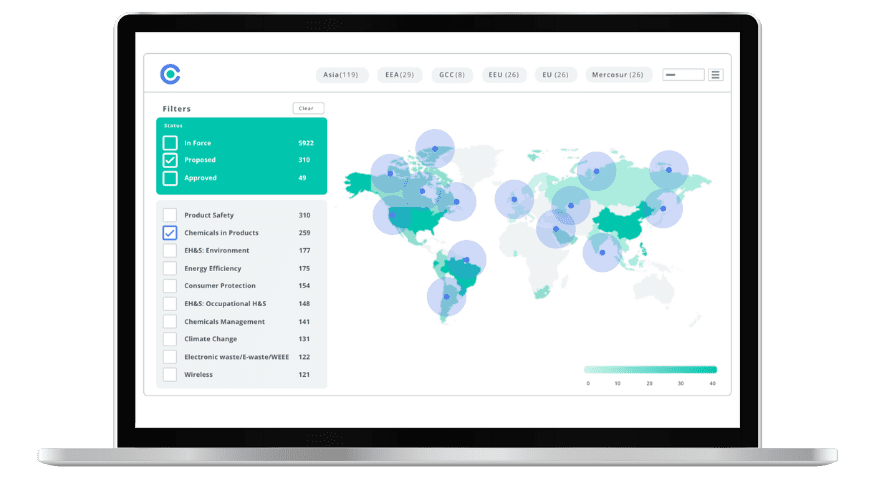
- Comprehensive Coverage: Does the solution cover all relevant global regulations? Can it track over 30,000 global regulations across 195 countries, addressing nuanced frameworks like WEEE, RoHS, REACH, and PFAS?
- Technical Depth: Does it go beyond basic checklists to provide granular detail for complex documents like ESDM reports and multi-stage assessment evidence? Can it help you navigate the intricate technical requirements regulators really scrutinize?
- Automation Capabilities: Can it genuinely automate the generation of declarations of conformity, SDS, and product technical files, reducing manual effort and human error?
- Integration: Does it integrate seamlessly with your existing enterprise systems (PLM, ERP, supplier portals) to pull and push data efficiently?
- Expert Support: Does the provider offer access to a team of experienced subject matter experts who can interpret complex regulations and guide your implementation?
- Audit-Readiness: Is the platform designed from the ground up to simplify audit preparation, centralize evidence management, and provide immutable audit trails?
- Scalability & Future-Proofing: Can the solution grow with your business and adapt to evolving regulations and emerging mandates like new PFAS rules?
Look for a partner that offers an integrated platform, one that combines regulations management, standards management, requirements management, and evidence management into a single, cohesive ecosystem. This holistic approach ensures alignment across global teams and keeps you audit-ready, always.
Key Takeaways
- Non-compliance is costly: Beyond fines, it impacts reputation and operations, with increasing public visibility.
- Regulatory landscape is complex: Global frameworks, local mandates, and emerging rules like PFAS demand proactive management.
- Audit-readiness requires technical depth: Focus on granular details for ESDM reports, multi-stage assessments, DoCs, SDS, and technical files.
- Proactive strategy is key: Implement robust EMS, conduct internal audits, and ensure data validation.
- Automation is essential: It improves accuracy, speed, version control, and frees up EHS teams, tackling complex mandates like PFAS reporting effectively.
- Choose wisely: Evaluate solutions based on comprehensive coverage, technical depth, automation, integration, expert support, and audit-readiness.
Frequently Asked Questions (FAQ)
We know this is a complex topic. Here are answers to some of the most common questions we hear from producers:
- Q: What is the biggest risk of poor environmental compliance documentation?
Beyond significant fines and legal action, the biggest risk is reputational damage and loss of trust, amplified by publicly accessible compliance data platforms. It can also lead to operational disruptions and increased scrutiny from regulators. - Q: How can I ensure my documentation is “audit-ready” for complex requirements like multi-stage assessments?
For multi-stage assessments, ensure you have distinct documentation prepared for both the initial “Pass/Fail” stage (high-level summaries, permits) and the subsequent engineering review (detailed specifications, calculations, process diagrams). A robust EMS and automated documentation generation are crucial for maintaining this level of detail and accessibility. - Q: What role does automation play in addressing new mandates like PFAS reporting?
Automation is critical for mandates like PFAS reporting due to the massive data volume and historical data requirements. Automated systems can integrate supply chain data, accurately identify substances, and generate product-specific disclosures efficiently, dramatically reducing the manual burden and improving accuracy. - Q: How does a global regulatory tracking platform help with documentation and reporting across different jurisdictions?
A global platform centralizes regulatory intelligence from 195+ countries, providing real-time alerts on changes. This allows you to proactively update documentation (e.g., SDS, DoCs) to comply with specific local requirements, ensuring consistency and audit-readiness across all your operating regions. - Q: What should I look for in a software solution for environmental compliance documentation?
Look for comprehensive global coverage, deep technical detail for complex documents, robust automation capabilities for document generation, seamless integration with your existing systems, and access to subject matter experts. Critically, the solution should enhance your audit-readiness and provide clear audit trails.
Conclusion: Beyond Compliance – Towards Environmental Stewardship
The journey through environmental compliance documentation doesn’t have to be fraught with anxiety. By adopting a proactive, technically sophisticated approach, underpinned by robust systems and, crucially, intelligent automation, you can transform a daunting obligation into a strategic advantage.
This isn’t just about avoiding penalties; it’s about establishing your organization as a leader in environmental stewardship. It’s about building safe, sustainable products, fostering trust, and ensuring your business is resilient in a rapidly changing world. Don’t let compliance be a reactive burden. Take control, leverage the power of smart documentation, and build a future that is both compliant and sustainable.
Stat Sources
- Environmental Navigator, Ropes & Gray, Thomson Reuters, Valicor – “statistics on environmental compliance challenges and reporting”
- Valicor, CBIA, DOI.gov, 2ETC, Compliance & Risks, EPA.gov, V-Comply – “emerging trends and fresh angles in environmental compliance documentation and digital reporting”
- Energy.gov, Learning.sap.com, EOXS.com – “technical details competitors overlooked in environmental compliance documentation and reporting”
Experience the Future of ESG Compliance
The Compliance & Risks Sustainability Platform is available now with a 30-day free trial. Experience firsthand how AI-driven, human-verified intelligence transforms regulatory complexity into strategic clarity.
👉 Start your free trial today and see how your team can lead the future of ESG compliance.
The future of compliance is predictive, verifiable, and strategic. The only question is: Will you be leading it, or catching up to it?
Simplify Corporate Sustainability Compliance
Six months of research, done in 60 seconds. Cut through ESG chaos and act with clarity. Try C&R Sustainability Free.