Integrating Human Rights Compliance with ESG Reporting: Your Blueprint for Action and Impact
THIS BLOG WAS WRITTEN BY THE COMPLIANCE & RISKS MARKETING TEAM TO INFORM AND ENGAGE. HOWEVER, COMPLEX REGULATORY QUESTIONS REQUIRE SPECIALIST KNOWLEDGE. TO GET ACCURATE, EXPERT ANSWERS, PLEASE CLICK “ASK AN EXPERT.”
We have all been there before. You’re trying to piece together a complex puzzle, but half the pieces are missing, and the picture on the box is blurry? That’s what integrating human rights compliance with ESG reporting can feel like for many global businesses.
The pressure is mounting. Investors are demanding more. Regulators are sharpening their teeth. And the world, quite rightly, expects more than just lip service when it comes to social responsibility. But translating complex legal mandates and ethical commitments into clear, quantifiable ESG metrics that genuinely reflect your impact? That’s the real challenge.
Many companies are still grappling with the “S” in ESG—the social factor—often struggling to move beyond high-level declarations to actionable, auditable performance. Human rights, in particular, often fall into this fuzzy zone. They’re critically important, yes, but how do you track, measure, report, and prove your commitment in a way that satisfies increasingly savvy stakeholders and meets evolving legal requirements?
This isn’t just about avoiding fines or ticking boxes. It’s about building a truly resilient, responsible, and future-proof business. It’s about unlocking competitive advantage, enhancing brand value, and attracting the best talent in a world that prioritizes purpose as much as profit.
This comprehensive guide will demystify the process, offering practical frameworks and strategies to seamlessly integrate human rights compliance into your ESG reporting. We’re going to bridge that gap between legal obligation and measurable, impactful sustainability performance.
Table of Contents
- The Imperative: Why Human Rights Compliance is Now Mission-Critical for ESG
- The Regulatory Hammer: A Global Awakening
- The Investor Pressure Cooker: Demanding Verifiable Social Data
- Reputational & Operational Resilience: Beyond Compliance
- Decoding “S”: A Practical Guide to Double Materiality for Human Rights
- What is Double Materiality, Really?
- Human Rights: The Ultimate Double Materiality Case
- Step-by-Step Double Materiality Assessment for Human Rights
- Beyond Reporting: Cross-Functional Data Alignment & Impact Quantification
- The Data Integration Dilemma: Breaking Down Silos
- Building Your Human Rights Data Lake: Strategies for Unification
- Impact Quantification Frameworks: Measuring Real Outcomes
- Verification & Assurance Readiness: Building Trust
- Emerging Frontiers: Navigating AI, Tech, and Future Human Rights Challenges
- AI & Human Rights: New Risks, New Due Diligence
- Geopolitical Shifts & Supply Chain Vigilance
- The Future of Disclosure: Dynamic Materiality
- Key Takeaways for Integrating Human Rights into ESG
- FAQ: Your Human Rights & ESG Questions Answered
- Sources
The Imperative: Why Human Rights Compliance is Now Mission-Critical for ESG
You know this isn’t just a “nice-to-have” anymore, right? Human rights compliance, once seen by some as purely a CSR initiative, has squarely entered the realm of business-critical risk management and strategic opportunity. The forces driving this shift are powerful and undeniable.
The Regulatory Hammer: A Global Awakening
The days of ignorance being bliss are long gone. The regulatory landscape is evolving at an unprecedented pace, shifting from voluntary guidelines to mandatory due diligence requirements with real teeth.
The world is moving fast. Around one-third of global countries are expected to mandate human rights disclosures by late 2026. That’s a huge wave of legislation. You’re no longer operating in a vacuum where voluntary guidelines suffice. We’re talking about real, legally binding obligations that demand an overhaul in how companies approach due diligence.
Consider the landscape:
- EU Corporate Sustainability Due Diligence Directive (CSDDD): This is a game-changer, mandating due diligence on human rights and environmental impacts across entire value chains. It applies to large EU companies and non-EU companies operating significantly within the EU.
- German Supply Chain Due Diligence Act (LkSG): Already in force, it requires companies to implement human rights and environmental due diligence measures in their supply chains.
- U.S. Uyghur Forced Labor Prevention Act (UFLPA): This prohibits the importation of goods made with forced labor in China’s Xinjiang region, placing the burden of proof squarely on importers.
- Canadian Supply Chains Act (CSCA) and UK Modern Slavery Act: These continue to evolve, pushing for greater transparency and accountability in supply chains regarding forced and child labor.
And then there’s the broader push: the Corporate Sustainability Reporting Directive (CSRD) in the EU, and the International Sustainability Standards Board (ISSB) standards globally. Navigating these dual regimes for human rights reporting? It’s complex, to say the least. The message is clear: compliance isn’t just about financial statements anymore; it’s about ethical operations.
The Investor Pressure Cooker: Demanding Verifiable Social Data
The money is talking, and it’s talking about ESG. ESG investing is projected to more than double from US$22.8 trillion in 2016 to a staggering US$53 trillion by 2025. That’s not just a trend; it’s a fundamental shift in capital allocation. Investors, particularly institutional ones, are actively seeking companies with strong ESG credentials, and human rights are a critical component of that “S” factor.
The challenge lies in data inconsistency: social scores from ESG rating agencies show a correlation of less than 50%. Furthermore, some agencies provide remarkably thin coverage, utilizing only one or even zero specific human rights indicators. This means there’s a massive gap between investor demand for social performance and the actual, consistent measurement of it. Your competitors might be making claims, but are they verifiable?
Investors want to move beyond superficial reporting. They want quantifiable data, robust due diligence processes, and demonstrable commitment to human rights throughout your operations and supply chain. Failure to provide this isn’t just a missed opportunity; it’s a financial risk that can impact your cost of capital, access to funding, and overall valuation.
Reputational & Operational Resilience: Beyond Compliance
Honestly, this goes deeper than just legal and financial risks. Your company’s reputation, your ability to attract and retain top talent, and the stability of your supply chains are all intrinsically linked to your human rights performance.
We’ve all seen the headlines. Allegations of forced labor, unsafe working conditions, or community displacement can devastate a brand overnight. Such events aren’t just PR nightmares; they lead to boycotts, regulatory investigations, plummeting stock prices, and significant operational disruptions.
Conversely, a robust commitment to human rights builds genuine trust. It signals to customers, employees, and communities that you’re a responsible actor. It creates a more stable, ethical supply chain, reducing unexpected disruptions and strengthening partnerships. It makes you a more attractive employer, crucial in today’s competitive talent market. Integrating human rights isn’t just about doing good; it’s about future-proofing your business.
Decoding “S”: A Practical Guide to Double Materiality for Human Rights
This is where the rubber meets the road. The concept of “materiality” has been around for ages in financial reporting, but “double materiality” is a newer, more expansive lens that’s absolutely essential for ESG, especially when it comes to human rights.
What is Double Materiality, Really?
Think about it this way: traditional financial materiality focuses on what impacts your company’s bottom line. Double materiality, however, asks two critical questions:
- Impact Materiality (Inside-Out): What are your company’s impacts (positive and negative, actual and potential) on people and the planet?
- Financial Materiality (Outside-In): How do sustainability matters (including human rights) create financial risks and opportunities for your company?
For ESG reporting under the CSRD, you need to consider both. An issue is “material” if it is significant from either an impact or a financial perspective, or—as is often the case with human rights—from both.
Human Rights: The Ultimate Double Materiality Case
Human rights issues inherently present both impact and financial risks, and opportunities.
- Impact Materiality Example: Consider a company sourcing raw materials from a region with known child labor risks. The impact is the direct harm to the children and communities.
- Financial Materiality Example: That same child labor issue then translates into significant financial risks for the company: reputational damage, consumer boycotts, potential import bans (like the UFLPA), regulatory fines, and legal action.
Conversely, ensuring fair wages and safe working conditions (a human rights positive impact) can lead to financial opportunities like reduced employee turnover, increased productivity, and a stronger brand reputation that attracts conscious consumers. Human rights aren’t just about moral imperatives; they’re deeply intertwined with your company’s long-term financial health.
Step-by-Step Double Materiality Assessment for Human Rights
This isn’t a theoretical exercise. Here’s a practical framework to conduct your own assessment:
1. Context & Scope: Map Your Value Chain for Human Rights Risks
- Understand your footprint: Identify all geographical locations, operations, business relationships, and value chain activities (upstream and downstream) where your company could impact human rights. This means looking at your suppliers, distributors, customers, and even your financing relationships.
- Identify potential human rights issues: Based on your industry, geography, and operations, what are the most salient human rights risks? Think child labor, forced labor, discrimination, unsafe working conditions, indigenous rights, freedom of association, privacy, land rights, and access to remedy. Over 40% of OECD guideline complaints alleged insufficient human rights due diligence, often in manufacturing and mining/quarrying.
2. Stakeholder Engagement: Go Beyond Surveys
- Who is affected? Identify individuals or groups whose human rights could be or have been impacted by your business activities. This includes workers (employees, contract workers, migrant workers), local communities, indigenous groups, and consumers.
- Meaningful dialogue: Engage directly with these affected stakeholders. Surveys are a start, but direct conversations, community forums, and partnerships with civil society organizations provide deeper, more authentic insights into actual and potential impacts. This isn’t just a listening exercise; it’s about understanding their perspectives and priorities.
3. Impact Materiality Assessment: Prioritize Actual & Potential Impacts
- Identify and assess impacts: Systematically evaluate the identified human rights issues based on their severity (scale, scope, irremediability), likelihood, and the number of people affected.
- Qualitative & Quantitative methods:
- Qualitative: Use expert interviews, grievance mechanism analysis, stakeholder feedback, and country risk assessments.
- Quantitative: Track incidents, severity ratings, number of affected individuals, remediation success rates, and audit findings.
4. Financial Materiality Assessment: Translate Impacts into Financial Terms
- Identify financial risks: How would a material human rights impact (e.g., a confirmed case of forced labor in your supply chain) translate into financial consequences? Consider:
- Operational risks: Supply chain disruption, increased input costs, loss of operational licenses.
- Reputational risks: Brand damage, loss of customer loyalty, difficulty attracting talent.
- Legal & Regulatory risks: Fines, lawsuits, import bans, investor activism.
- Market risks: Loss of market access, reduced investor confidence, higher cost of capital.
- Identify financial opportunities: Conversely, how can proactive human rights performance create financial value?
- Enhanced brand value, increased customer loyalty, improved talent attraction/retention, access to ESG-linked financing, innovation in sustainable products/services.
5. Threshold Determination: When Does It Become “Material”?
- Based on your impact and financial assessments, establish clear criteria for when a human rights issue is considered “material” and requires disclosure in your ESG report. This threshold will vary by company and industry but should be transparent and justifiable.
Beyond Reporting: Cross-Functional Data Alignment & Impact Quantification
This is often the hardest part, isn’t it? You’ve identified the risks, you understand double materiality, but now you have to actually do something with all that information. How do you gather, integrate, and verify the data from across your massive organization to create a cohesive, credible human rights narrative for your ESG report?
The Data Integration Dilemma: Breaking Down Silos
Here’s the stark reality: HR reports and operational data are rarely integrated into ESG reporting platforms. Social data is often derived from static, self-reported surveys, leading to unverified claims.
Think about the departments involved:
- HR: Employee data, grievance mechanisms, training records.
- Legal: Compliance audits, regulatory updates, litigation risks.
- Procurement: Supplier assessments, contract clauses, supply chain audits.
- Operations: Factory conditions, safety records, waste management, community relations.
- Sustainability: ESG reporting frameworks, stakeholder engagement.
Each department often holds vital pieces of the human rights puzzle, but they’re rarely speaking the same language or feeding into a centralized system. This fragmented data ownership is a major roadblock to accurate, verifiable human rights reporting.
Building Your Human Rights Data Lake: Strategies for Unification
You need a strategy for unifying these disparate data sources. This isn’t just about collecting more data; it’s about making it actionable.
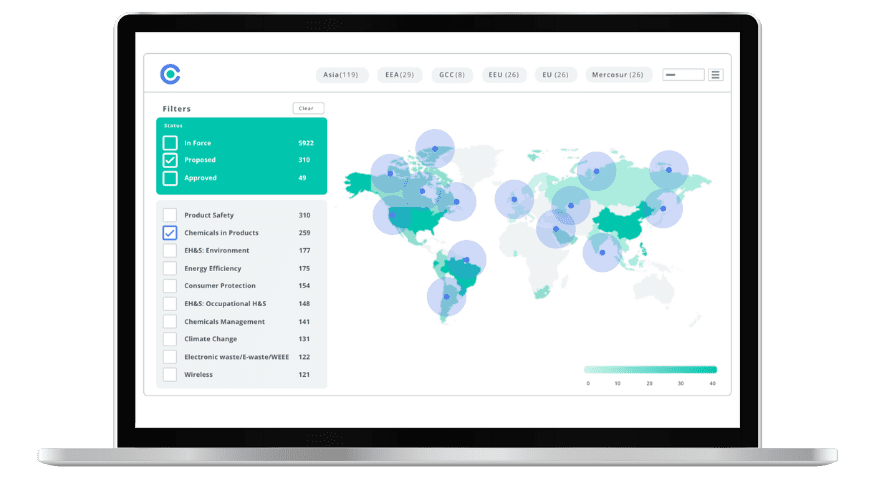
- Centralized Platform: The most effective approach is to leverage a global regulatory tracking and processing tool. Systems like C2P, for example, are designed to integrate regulations and standards management, requirements management, and evidence management into a centralized platform. This allows global teams to stay aligned and audit-ready.
- Standardized Metrics & Definitions: Work across departments to agree on common definitions for human rights indicators. What constitutes a “grievance”? How is “living wage” defined? Consistency is key.
- Automated Data Flows: Where possible, automate the collection and aggregation of data from existing systems (e.g., HRIS, supplier management platforms) into your central ESG platform. Reduce manual input to minimize errors and improve efficiency.
- Regular Data Audits: Implement a robust internal audit process to review data quality, completeness, and accuracy. This ensures that the data you’re using for your ESG reports is reliable.
Impact Quantification Frameworks: Measuring Real Outcomes
Moving beyond “number of policies implemented” to actual outcomes is crucial for demonstrating genuine impact. Instead of just reporting on inputs (e.g., “we conducted X number of supplier audits”), focus on outputs and, more importantly, outcomes.
- Living Wage: Instead of just stating a commitment, report the percentage of your workforce and key suppliers’ workforce earning a living wage, and demonstrate the positive change over time.
- Working Conditions: Beyond audit scores, track specific improvements: reduction in accident rates, anonymous worker sentiment scores, access to clean water and sanitation.
- Grievance Mechanisms: Report on the number of grievances received, categories of complaints, average resolution time, and most critically, the percentage of grievances resolved to the satisfaction of the complainant.
- Indigenous Rights: If relevant, track the number of free, prior, and informed consent (FPIC) agreements successfully negotiated, the value of community benefit agreements, and the percentage of project-affected Indigenous peoples reporting positive impacts.
- Child/Forced Labor: Report on the number of workers identified as vulnerable, the remediation actions taken (e.g., removal from hazardous work, provision of education), and the preventative measures implemented.
Verification & Assurance Readiness: Building Trust
In an era of increased scrutiny, your human rights claims need to be robust and verifiable.
- Data Traceability: Ensure every piece of data reported can be traced back to its original source. This is critical for internal audits and external assurance.
- Third-Party Assurance: Seek independent assurance for your human rights disclosures. This adds significant credibility and helps you identify areas for improvement before they become issues. It’s not just about proving compliance; it’s about continuously refining your processes.
- Transparent Reporting: Be transparent about your methodology, challenges, and successes. Acknowledge where you still need to improve. Authenticity builds more trust than perfection.
Emerging Frontiers: Navigating AI, Tech, and Future Human Rights Challenges
The landscape of human rights compliance is not static. New technologies and geopolitical shifts are constantly introducing new risks and complexities. Staying ahead means proactively anticipating these changes.
AI & Human Rights: New Risks, New Due Diligence
AI is a powerful tool, but it also presents unprecedented human rights challenges. From biased algorithms impacting hiring or credit decisions to the vast data collection inherent in AI systems infringing on privacy, the risks are significant.
- Bias and Discrimination: Implement robust testing and ethical review processes to identify and mitigate algorithmic bias in AI systems used for HR, customer service, or public-facing applications.
- Privacy and Data Protection: Ensure all data used to train and operate AI systems is collected, stored, and processed in accordance with global data privacy regulations (e.g., GDPR, CCPA) and human rights principles.
- Transparency and Explainability: Can you explain how your AI systems make decisions? Lack of transparency can lead to human rights violations that are difficult to identify or remedy.
- Surveillance Technologies: If your company develops or uses surveillance technologies, conduct thorough human rights impact assessments to understand their potential for misuse and harm.
Proactive due diligence for AI systems isn’t just about cybersecurity; it’s about ethical design and deployment.
Geopolitical Shifts & Supply Chain Vigilance
The world is increasingly volatile. Geopolitical conflicts, trade wars, and shifting alliances can quickly alter your human rights risk profile, especially in complex global supply chains.
- Diversification & Resilience: Build resilience into your supply chains to mitigate risks associated with over-reliance on regions with escalating human rights challenges.
- Conflict-Affected and High-Risk Areas (CAHRAs): Pay heightened attention to sourcing from or operating in CAHRAs, where human rights risks (forced labor, violence, displacement) are amplified.
- Trade Policies: Stay abreast of evolving trade policies, sanctions, and import restrictions (like the UFLPA) that directly link to human rights concerns.
- Supplier Mapping & Risk Assessment: Regularly re-evaluate your supply chain mapping and risk assessments in light of geopolitical developments. What might have been low-risk yesterday could be high-risk today.
- Diversification & Resilience: Build resilience into your supply chains to mitigate risks associated with over-reliance on regions with escalating human rights challenges.
The Future of Disclosure: Dynamic Materiality
The idea of “dynamic materiality” suggests that what is material today might not be tomorrow, and new issues will constantly emerge. Your approach to human rights integration needs to be agile and adaptive.
- Continuous Improvement: Human rights due diligence isn’t a one-off project; it’s an ongoing cycle of assessment, action, tracking, and communication.
- Integrated Solutions: Platforms that offer continuous regulatory intelligence and risk management will become indispensable. Imagine having real-time alerts on new regulations or emerging human rights risks in your operating regions.
- Holistic Risk Management: Integrate human rights considerations into all aspects of enterprise risk management, moving it from a siloed “social” issue to a core business risk.
Key Takeaways for Integrating Human Rights into ESG
- Human rights compliance is now a legal and financial imperative, driven by global regulations and investor demand for verifiable social data.
- Double materiality is your guiding principle, requiring you to assess both the impact of your operations on human rights and the financial implications for your business.
- Cross-functional data alignment is critical to move beyond fragmented, unverified reporting to cohesive, auditable human rights performance.
- Quantify your impact by focusing on measurable outcomes, not just inputs, for greater credibility.
- Future-proof your strategy by anticipating emerging human rights risks related to AI and geopolitical shifts.
FAQ: Your Human Rights & ESG Questions Answered
Q: What exactly does “human rights due diligence” mean for my company?
A: Human rights due diligence (HRDD) means identifying, preventing, mitigating, and accounting for how your company addresses its actual and potential human rights impacts. It’s a continuous process that involves mapping your value chain, assessing risks, taking action, tracking performance, and communicating publicly.
Q: How do I know which human rights issues are most relevant to my business?
A: This is determined through a materiality assessment, specifically the “impact materiality” component of double materiality. You identify salient human rights issues by considering your industry, geographical operational footprint, business relationships (e.g., supply chain), and engaging with potentially affected stakeholders. Risks like child labor and forced labor often emerge prominently in manufacturing and extraction industries.
Q: What if we operate in countries where human rights standards are lower?
A: International human rights standards apply universally. Your company is expected to respect human rights even where national laws offer less protection. This often means going beyond local legal compliance to adhere to international frameworks like the UN Guiding Principles on Business and Human Rights. This is a crucial area for proactive risk mitigation.
Q: Our ESG reporting is already complex. How can we possibly add more human rights data without overwhelming our teams?
A: This is a common challenge, and it’s precisely why a fragmented approach doesn’t work. The key is to integrate, not just add. By establishing a centralized platform (like C2P) that unifies data from various departments (HR, Legal, Procurement, Ops), standardizing metrics, and automating data flows, you can streamline the process. The goal is to make human rights data collection an efficient part of your existing operations, not an extra burden.
Q: Is it really worth investing in robust human rights compliance if our direct competitors aren’t?
A: Absolutely. While some competitors might lag, the regulatory momentum and investor demand make robust human rights compliance a strategic advantage, not just a cost. You’re building a more resilient business, preempting future legislation, attracting premium talent, strengthening your brand, and accessing capital markets that prioritize ESG performance. The risks of inaction (reputational damage, legal penalties, supply chain disruption) far outweigh the costs of proactive investment.
Ready to move beyond vague commitments to actionable, auditable human rights compliance? Our experts and C2P platform can help you build the robust systems needed to truly integrate human rights into your ESG reporting, ensuring you meet regulatory mandates, investor expectations, and the demands of a responsible global economy.
Contact us today to explore how our solutions can empower your human rights and ESG strategy.
Simplify Corporate Sustainability Compliance
Six months of research, done in 60 seconds. Cut through ESG chaos and act with clarity. Try C&R Sustainability Free.